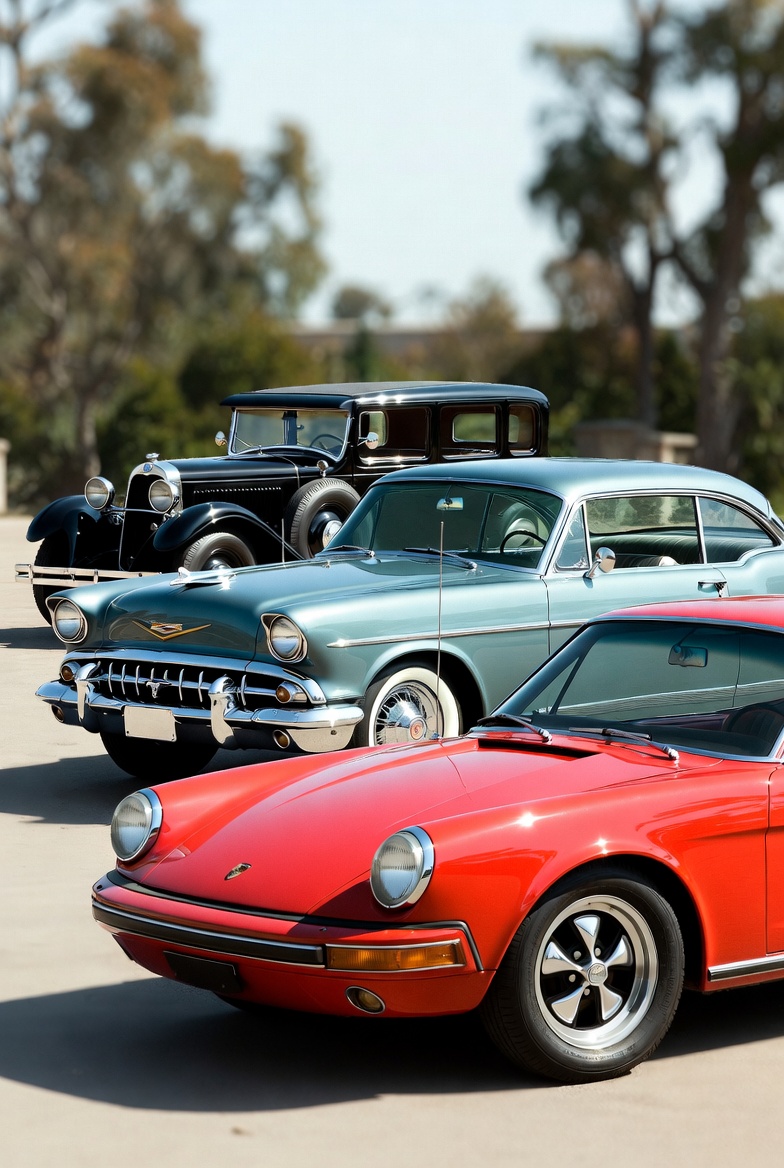
The beauty of a car lies not just in its performance but in its design and craftsmanship. Across decades, classic car designs have evolved, reflecting cultural trends, technological innovation, and aesthetic philosophies.
In the USA, classic cars are celebrated not only for their engineering excellence but for their timeless design elements. From the ornate detailing of pre-war luxury vehicles to the bold curves of 1950s muscle cars, these cars demonstrate how design transcends time.
This article explores the evolution of classic car design, highlighting iconic models, their stylistic innovations, and why their aesthetics continue to captivate enthusiasts and collectors worldwide.
1. The Early Years: 1900s–1930s
The earliest cars were functional machines, but design quickly became a marker of prestige:
-
Ford Model T (1908–1927):
-
Simple, utilitarian design focused on affordability
-
Open-top options allowed customization
-
Introduced the concept of standardized automotive design
-
-
Duesenberg Model J (1928–1937):
-
Luxurious craftsmanship with coach built bodies
-
Long hoods, sweeping fenders, and chrome accents
-
Symbol of wealth and elegance during the Roaring Twenties
-
Design Trends:
-
Ornamentation and elegance were key
-
Cars reflected social status
-
Handcrafted details made each vehicle unique
Impact: These early designs set the foundation for future styling philosophies and emphasized form as much as function.
2. Post-War Optimism: 1940s–1950s
After World War II, the automotive world shifted dramatically:
-
Chevrolet Bel Air (1950–1975):
-
Chrome accents, two-tone paint, and iconic tailfins
-
Balanced performance with visual appeal
-
Represented post-war optimism and family prosperity
-
-
Cadillac Eldorado (1953–2002):
-
Lavish interiors and bold exterior lines
-
Tailfins became a symbol of innovation
-
Luxury became a design statement rather than just performance
-
Design Trends:
-
Bold, sweeping lines
-
Tailfins and chrome became hallmarks
-
Interior luxury became as important as exterior aesthetics
Impact: The post-war era created vehicles that were visual statements, turning cars into icons of culture and status.
3. The Muscle Car Era: 1960s–1970s
The 1960s and 70s introduced the muscle car, a perfect blend of power and style:
-
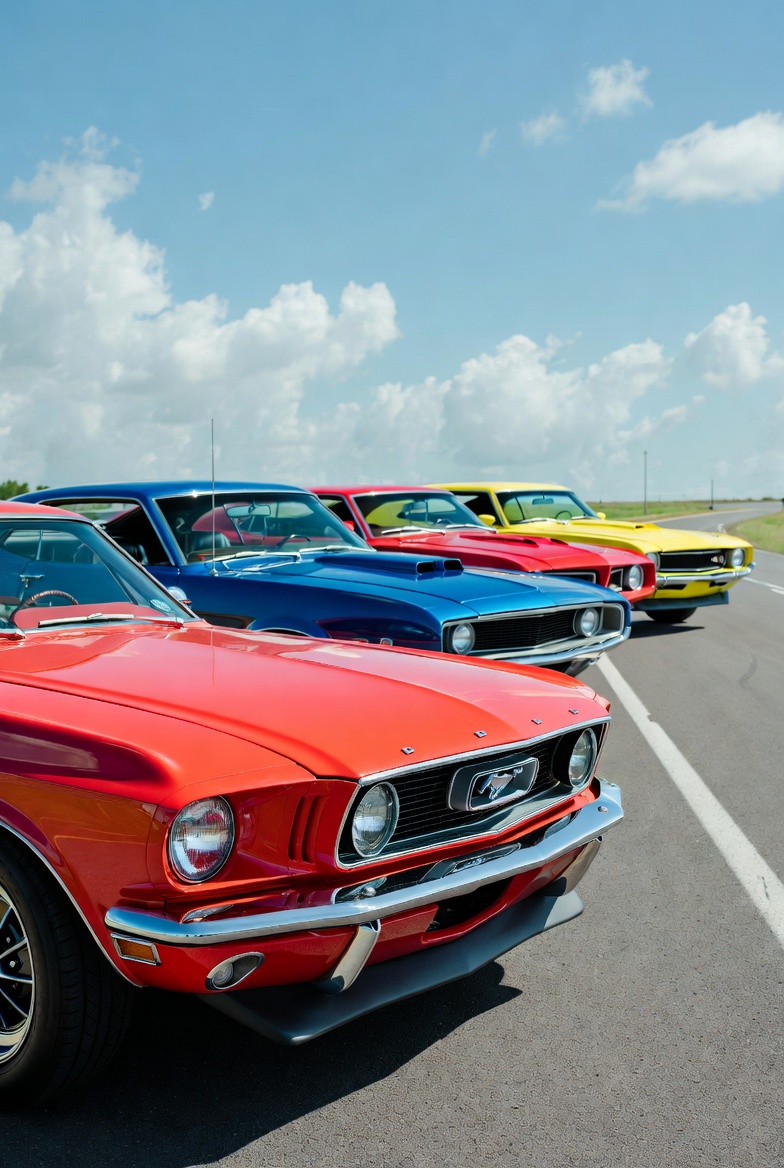
Ford Mustang (1964–Present):
-
Compact, aggressive design with sleek fastbacks
-
Targeted youth markets seeking style and performance
-
Iconic pony car segment inspired competitors like Camaro and Challenger
-
-
Dodge Charger (1966–Present):
-
Bold, muscular lines with a commanding road presence
-
Aerodynamic design for speed and aesthetics
-
Became a symbol of American automotive identity
-
Design Trends:
-
Aggressive curves and wide stances
-
Focus on aerodynamics and performance styling
-
Emphasis on youth-oriented appeal
Impact: Muscle car design elevated attitude and personality in automobiles, making aesthetics a crucial part of identity.
4. European Influence on American Cars
European car designs influenced American automakers during this period:
-
Jaguar E-Type (1961–1975):
-
Sleek curves, long bonnet, and low profile
-
Elegant aesthetics combined with performance
-
Inspired American designers in sports car development
-
-
Porsche 911 (1964–Present):
-
Rear-engine layout with aerodynamic silhouette
-
Minimalist yet functional design
-
Introduced streamlined efficiency into car aesthetics
-
Design Trends:
-
Focus on aerodynamic efficiency
-
Elegant, minimalistic approach to performance cars
-
European luxury and racing heritage influencing American vehicles
Impact: European design philosophies helped diversify American car aesthetics, combining beauty with function.
5. Color, Chrome, and Customization
Classic car design was also about personal expression:
-
Bright, bold colors defined eras (turquoise, red, yellow)
-
Chrome accents emphasized luxury and flair
-
Customization options allowed owners to express individuality
Example: A 1957 Chevrolet Bel Air could be customized with two-tone paint, chrome bumpers, and unique trim—making each car distinct.
Impact: The ability to personalize cars created emotional attachment, fostering a culture of car collecting and restoration.
6. Aerodynamics and Engineering Aesthetics
Design was not just about looks; it influenced performance:
-
Tailfins and curves improved airflow
-
Lightweight materials like fiberglass in Corvettes enhanced speed
-
Integrated spoilers and sloped hoods in muscle cars improved handling
Example: The Chevrolet Corvette C1 was designed with aesthetics that enhanced aerodynamics without compromising style.
Impact: The integration of engineering and design elevated cars from mere machines to artistic marvels.
7. Luxury and Performance Fusion
Luxury vehicles combined comfort with performance aesthetics:
-
Cadillac Eldorado: Lavish interiors with bold exteriors
-
Duesenberg Model J: Engineering excellence with coach built artistry
-
Mercedes 300SL Gullwing: Iconic doors paired with racing performance
Trend: Vehicles became statements of status and technical achievement simultaneously.
Impact: Classic cars demonstrated that performance and beauty could coexist, influencing future generations of car design.
8. Transition to Modern Design
By the late 1970s, car design shifted due to regulations, safety, and fuel efficiency:
-
Boxier shapes became common for safety compliance
-
Aerodynamics became more functional than aesthetic
-
Emphasis on fuel efficiency impacted performance aesthetics
Effect on Classic Cars:
-
Earlier designs became more celebrated for their bold, artistic lines
-
Modern cars often lack the individuality and flair of vintage vehicles
Impact: Classic designs are now revered for timeless beauty and emotional resonance.
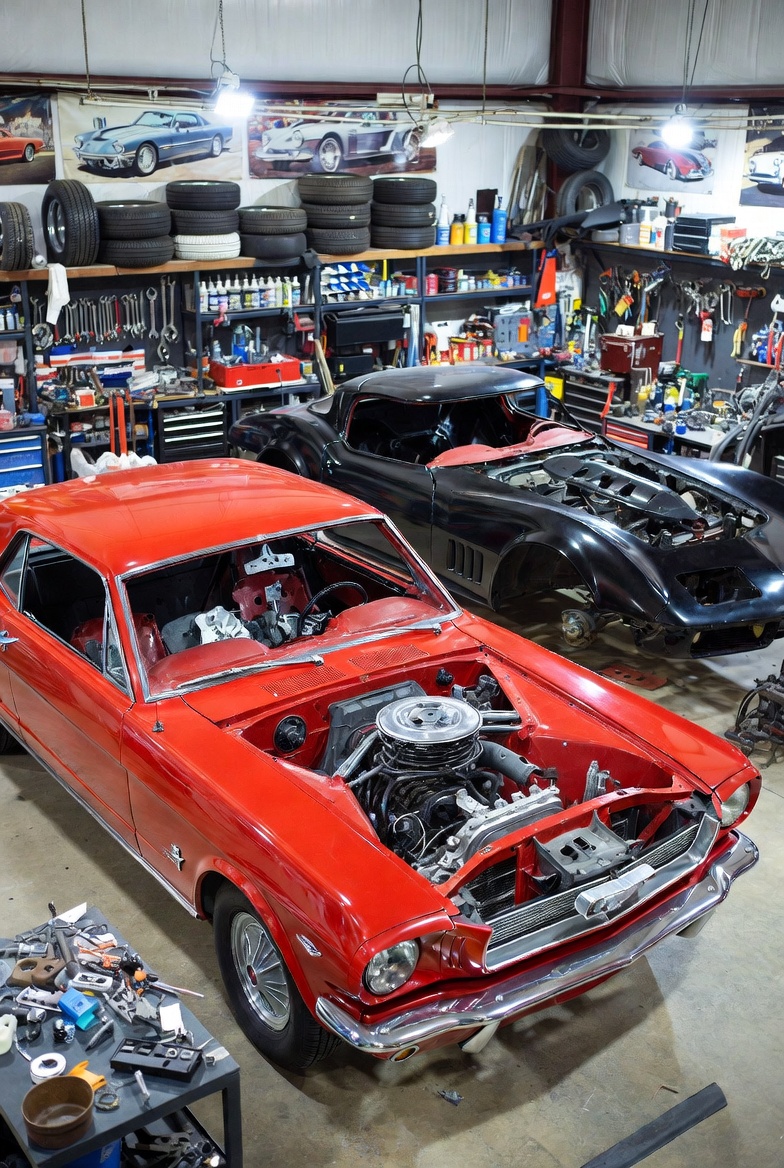
9. Restoration and Preservation of Design
Car enthusiasts today focus on restoring the aesthetic integrity of classic vehicles:
-
Maintaining original paint colors and chrome details
-
Restoring interiors to period-accurate luxury standards
-
Preserving unique design elements like tailfins, badges, and trim
Result: Restored classic cars allow new generations to experience the beauty of automotive history firsthand.
Example: A fully restored 1955 Chrysler 300 can showcase its original elegance while maintaining modern functionality for driving.
10. Why Classic Car Design Stands the Test of Time
Several factors contribute to the enduring beauty of classic car design:
-
Artistic Creativity: Designers focused on aesthetic expression alongside engineering.
-
Cultural Symbolism: Cars reflected eras, trends, and societal aspirations.
-
Craftsmanship: Hand-built details created lasting quality.
-
Emotional Connection: Owners formed lifelong bonds with their vehicles.
-
Influence on Modern Design: Many contemporary cars borrow design cues from classics.
Classic car design remains timeless because it balances art, engineering, and culture—a combination that resonates across generations.
Timeless Beauty on Four Wheels
Classic cars are more than transportation—they are rolling works of art. From the handcrafted elegance of pre-war luxury vehicles to the bold and muscular designs of the 1960s, classic cars showcase a design evolution that continues to inspire admiration in the USA and worldwide.
Their beauty lies not just in aesthetics but in their historical context, engineering ingenuity, and emotional impact. Every curve, chrome accent, and custom detail tells a story of creativity and craftsmanship.
For collectors, enthusiasts, and anyone passionate about automobiles, understanding classic car design evolution deepens appreciation and ensures these timeless machines continue to be celebrated for generations to come.