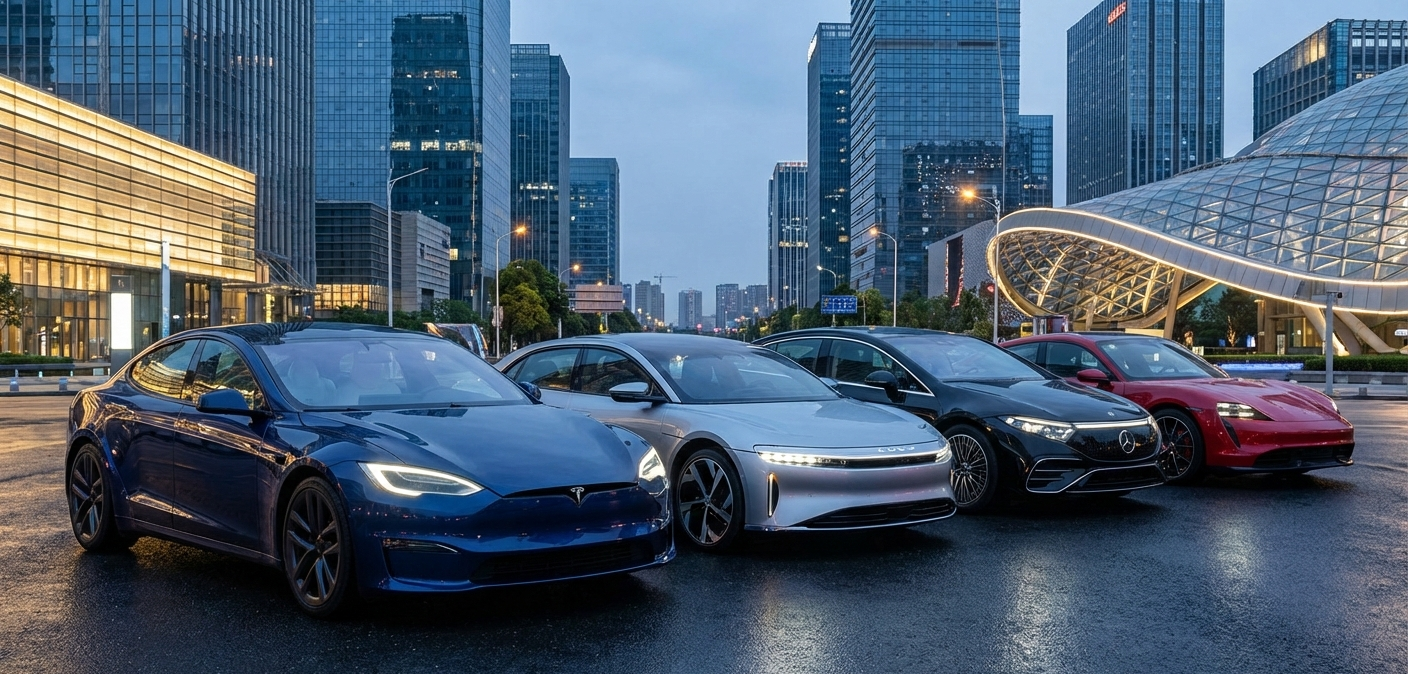
Switching from a gasoline-powered car to an electric vehicle (EV) is one of the most impactful decisions a driver can make today. Beyond reducing your carbon footprint, EV ownership offers lower maintenance costs, smoother driving experiences, and access to government incentives.
Yet for first-time buyers, the process can feel overwhelming. Questions like “Which EV fits my lifestyle?” or “How do I charge it?” are common. This guide provides a comprehensive roadmap to choosing your first electric vehicle, covering types, range, charging, costs, incentives, and future-proofing.
1. Understanding EV Types
Electric vehicles come in multiple types, each suited to different needs:
-
Battery Electric Vehicles (BEVs):
-
Fully electric, no gasoline engine.
-
Examples: Tesla Model 3, Nissan Leaf, Rivian R1T.
-
Benefits: Zero emissions, lower running costs.
-
-
Plug-in Hybrid Electric Vehicles (PHEVs):
-
Combines electric battery with a gas engine.
-
Examples: Toyota Prius Prime, Ford Escape PHEV.
-
Benefits: Flexibility for long trips, lower emissions than gas-only cars.
-
-
Hybrid Electric Vehicles (HEVs):
-
Cannot be charged from the grid; battery charges via regenerative braking.
-
Examples: Toyota Prius, Honda Insight.
-
Benefits: Better fuel efficiency, gradual transition to electrification.
-
Tip: For a first EV, a BEV is recommended if daily driving stays within the range limits and charging access is convenient.
2. Assess Your Driving Needs
Understanding your driving habits is critical:
-
Daily Commute: Average daily mileage is 30–50 miles in the USA—well within the range of most EVs.
-
Long-Distance Travel: Consider EVs with 300+ mile range or vehicles compatible with fast-charging networks.
-
Urban vs. Rural: Urban areas have more charging stations, while rural drivers may need vehicles with longer range.
Pro Tip: Track your monthly mileage to choose an EV that comfortably meets your needs without frequent charging stops.
3. Range Matters: Don’t Let Range Anxiety Hold You Back
Range is often the top concern for first-time EV buyers:
-
Short-range EVs: 150–250 miles (best for city driving).
-
Mid-range EVs: 250–350 miles (suitable for mixed city/highway use).
-
Long-range EVs: 350+ miles (ideal for road trips).
Tips to Reduce Range Anxiety:
-
Install home charging stations for overnight charging.
-
Plan trips with charging apps like PlugShare or ChargePoint.
-
Opt for regenerative braking modes to extend range on highways.
4. Charging Options: Home, Public, and Fast Charging
Charging infrastructure is key to EV ownership success:
-
Home Charging:
-
Level 1: Standard outlet, slow (3–5 miles/hour).
-
Level 2: Dedicated 240V charger, faster (20–40 miles/hour).
-
Installation recommended for convenience and cost efficiency.
-
-
Public Charging:
-
Level 2 chargers at parking lots, workplaces.
-
Best for topping up while running errands.
-
-
Fast-Charging Networks:
-
DC Fast Chargers (e.g., Tesla Superchargers) provide 80% charge in 20–30 minutes.
-
Essential for long-distance travel.
-
Pro Tip: Factor in charging accessibility and speed when selecting your first EV.
5. Budgeting Your First EV
EVs often have a higher upfront cost than gas vehicles, but total cost of ownership is lower over time:
-
Purchase Price: BEVs are typically $35,000–$80,000; PHEVs can be slightly cheaper.
-
Fuel Savings: Electricity costs are 50–70% lower than gasoline per mile.
-
Maintenance: Fewer moving parts, no oil changes, fewer brake replacements.
-
Depreciation: BEVs may depreciate faster initially, but strong demand for used EVs is stabilizing the market.
Tip: Consider incentives (federal tax credits, state rebates) to reduce upfront costs.
6. Government Incentives and Tax Credits
In the USA, EV buyers have access to several programs:
-
Federal EV Tax Credit: Up to $7,500 for qualifying vehicles.
-
State Incentives: California, New York, and other states provide rebates, reduced registration fees, and HOV lane access.
-
Utility Incentives: Some utilities offer discounted rates for EV charging during off-peak hours.
Pro Tip: Check eligibility before purchase; incentives can significantly affect affordability.
7. Choosing the Right Vehicle Type
Consider lifestyle and personal preference:
-
Sedans: Efficient and sleek, ideal for commuting (e.g., Tesla Model 3, Lucid Air).
-
SUVs/Crossovers: Higher seating, more cargo, family-friendly (e.g., Ford Mustang Mach-E, Rivian R2).
-
Pickup Trucks: Electric pickups for work and recreation (e.g., Ford F-150 Lightning, Rivian R1T).
-
Performance EVs: Speed and luxury (e.g., Tesla Model S Plaid, Porsche Taycan).
Tip: Choose a vehicle that aligns with daily use, comfort, and desired tech features.
8. Safety and Driver Assistance Features
Modern EVs are equipped with advanced safety and semi-autonomous features:
-
Adaptive Cruise Control
-
Lane-Keeping Assist
-
Automatic Emergency Braking
-
Blind-Spot Monitoring
-
Over-the-Air Updates for improved safety
Tip: First-time EV buyers should consider vehicles with strong safety ratings and driver-assist technology for peace of mind.
9. Battery Life and Warranty Considerations
Battery longevity is crucial:
-
Typical EV batteries last 8–10 years or 100,000–150,000 miles.
-
Most manufacturers offer 8-year/100,000-mile warranties for the battery and drivetrain.
-
Degradation occurs slowly; most EVs retain 70–80% capacity after 8 years.
Tip: Evaluate battery warranty and manufacturer reliability when selecting your first EV.
10. Resale Value and Longevity
EVs are becoming more resale-friendly:
-
Popular EVs retain value due to demand, range, and brand recognition.
-
Well-maintained EVs with original battery health fetch higher resale prices.
-
Upgrading software features or paying attention to battery maintenance improves long-term value.
Pro Tip: Keep charging records, service history, and battery health reports to maximize resale value.
11. EV Software and Connected Features
Many EVs integrate smart technology:
-
App-based controls for charging, climate, and location tracking
-
Real-time range and efficiency monitoring
-
Over-the-Air updates for features, safety, and performance
Example: Tesla, Ford, and Lucid EVs regularly update vehicle software, adding new features without visiting a dealership.
12. Environmental and Lifestyle Benefits
Beyond convenience, EVs provide lifestyle and environmental benefits:
-
Lower carbon footprint and reduced emissions
-
Reduced noise pollution in cities
-
Access to carpool lanes in some states
-
Eligible for certain parking incentives and workplace perks
Pro Tip: Owning an EV can reinforce sustainability goals while offering practical benefits.
13. Test Driving and Research
Before making your first purchase:
-
Schedule test drives to experience acceleration, braking, and handling.
-
Research range, charging networks, and software interface.
-
Compare multiple EVs to understand features, warranties, and costs.
Tip: Test driving ensures your choice fits your driving habits and comfort preferences.
14. Common Myths About EV Ownership
-
EVs don’t have enough range: Modern EVs exceed 250–400 miles per charge.
-
Charging is difficult: Home charging and widespread fast chargers simplify ownership.
-
EVs are slow: Many EVs outperform gas cars in acceleration and handling.
-
Battery replacement is expensive: Battery longevity is high, with warranties covering most issues.
Tip: Educating yourself dispels myths and builds confidence in switching from gas to grid.
15. Making the Decision
Choosing your first EV involves balancing:
-
Driving range vs. daily use
-
Vehicle type vs. lifestyle needs
-
Upfront cost vs. long-term savings
-
Features vs. personal preference
Pro Tip: Focus on practicality, sustainability, and your comfort level rather than trends or hype.
Your Journey From Gas to Grid
Switching to your first EV is more than buying a car—it’s embracing the future of transportation. With careful research, understanding of incentives, and attention to driving habits, first-time buyers can enjoy a seamless, sustainable, and exciting transition from gasoline to electric power.
The electric revolution offers long-term savings, lower environmental impact, and advanced technology, making now the ideal time to take the leap. By following this guide, your first EV purchase will be smart, practical, and future-proof, marking the start of a new era in personal mobility.