The debate between American supercars and European hypercars has always been a topic of excitement in the automotive world. In 2026, this battle has never been more intense. American brands like Hennessey, Dodge, and SSC have pushed performance to extremes, while European manufacturers such as Bugatti, Ferrari, Lamborghini, and McLaren continue to refine precision engineering and luxury. Comparing these machines provides a fascinating insight into different philosophies of speed, design, and driving experience.
This article explores the ultimate performance battle between American supercars and European hypercars, analyzing speed, handling, technology, sound, and driver experience.
The American Supercar Approach
American supercars focus on raw power and straight line performance. Brands like Hennessey and SSC create cars with extreme horsepower, often exceeding 1,500 hp, designed to break speed records. Dodge continues the legacy of muscle with the Challenger SRT Demon and its modern successors, emphasizing torque and acceleration.
American supercars often have larger engines, aggressive exhaust notes, and a bold presence. They are designed to dominate drag strips and long highways, providing an adrenaline-packed experience with less concern for complex handling or weight reduction.
The European Hypercar Approach
European hypercars prioritize balance, precision, and cutting-edge technology. Ferrari, Lamborghini, Bugatti, and McLaren engineer their cars to handle corners, accelerate, and brake with unmatched refinement. These cars are lightweight, aerodynamic, and equipped with advanced hybrid systems, traction control, and electronic stability features.
European hypercars often cost several million dollars due to low production numbers and extensive engineering. They focus on creating the ultimate driving experience both on tracks and roads, combining speed, handling, and luxury.
Speed Comparison
When it comes to top speed, American supercars like the Hennessey Venom F5 and SSC Tuatara are designed to challenge the record books. These vehicles are capable of exceeding 300 miles per hour under the right conditions, demonstrating sheer raw speed.
European hypercars like the Bugatti Chiron Super Sport and Koenigsegg Jesko also reach similar top speeds, but with more emphasis on stability and aerodynamics. While the difference in maximum speed may be small, European hypercars often achieve it with more refinement and safety features.
Acceleration and Drag Performance
American supercars excel in acceleration. Cars like the Dodge Challenger SRT Demon and Hennessey Venom F5 can reach 60 mph in under 3 seconds. Instant torque and large displacement engines give American cars explosive off the line performance.
European hypercars also accelerate quickly, but they tend to deliver a more controlled experience. Cars like the Ferrari SF90 Stradale or McLaren Speedtail use hybrid systems to provide seamless power delivery, allowing drivers to maintain traction and corner at high speed without losing stability.
Handling and Cornering
Handling is where European hypercars often have an advantage. Lightweight construction, active aerodynamics, and advanced suspension systems allow European cars to maintain high speeds through corners with precision.
American supercars, while capable, often sacrifice handling for power. They tend to be heavier and have simpler suspension setups, making them less agile on twisty roads or technical tracks.
Drivers report that American supercars provide an intense straight line thrill, while European hypercars offer a balanced thrill combining speed, precision, and cornering confidence.
Sound and Driving Experience
The driving experience is not just about speed. Engine sound, feedback, and emotion play a huge role. American supercars are known for their aggressive exhaust notes, often described as loud, raw, and visceral. The feeling of raw power combined with a rumbling V8 or V10 engine is unmatched in terms of adrenaline.
European hypercars offer a more refined auditory experience. Ferrari engines scream at high revs, Lamborghini provides an aggressive but musical tone, and Bugatti produces a deep, thunderous growl. European cars often balance sound with cabin comfort, creating a more engaging but less overwhelming experience.
Technology and Innovation
European hypercars lead in technology and innovation. Active aerodynamics, hybrid powertrains, advanced traction control, and lightweight materials like carbon fiber are standard. These systems improve performance, handling, and safety while pushing engineering boundaries.
American supercars are catching up. Hennessey and SSC incorporate hybrid tech and aerodynamics, but historically, American focus has been on brute force rather than refinement. However, recent innovations show that American manufacturers are closing the gap in engineering sophistication.
Customization and Exclusivity
European hypercars are often highly exclusive, with production limited to tens or hundreds of units. Buyers can customize interior materials, paint, and even engine performance. Cars like the Ferrari Monza SP1 or Bugatti La Voiture Noire are one of one builds, making ownership extremely rare.
American supercars are less rare but still allow for significant customization. Performance packages, engine upgrades, and paint options give buyers the ability to stand out while maintaining the raw American aesthetic.
Price and Investment Value
European hypercars often carry higher price tags due to exclusivity, craftsmanship, and brand heritage. Prices can range from 2 million to over 20 million dollars for limited editions. These cars often appreciate in value over time, making them sought after by collectors.
American supercars tend to be more accessible, with top models priced under 2 million dollars in most cases. However, rare models like the Hennessey Venom F5 or SSC Tuatara can rival European hypercars in price and performance.
The Emotional Factor
Choosing between an American supercar and a European hypercar often comes down to emotion and personal preference. American supercars deliver raw thrill and aggressive performance, appealing to those who love straight line speed and loud engines.
European hypercars provide a balanced experience, combining speed, handling, and technological marvel. They appeal to enthusiasts who appreciate precision engineering, brand heritage, and track performance.
Real World vs Track Performance
American supercars dominate in drag strips and open highways where raw acceleration is key. European hypercars excel on technical tracks and twisty roads where handling, braking, and aerodynamics matter.
Some modern hypercars blur the line, offering both straight line dominance and track prowess. For example, the McLaren Speedtail or Koenigsegg Jesko can outperform almost any car in multiple conditions, combining the best of both worlds.
Conclusion
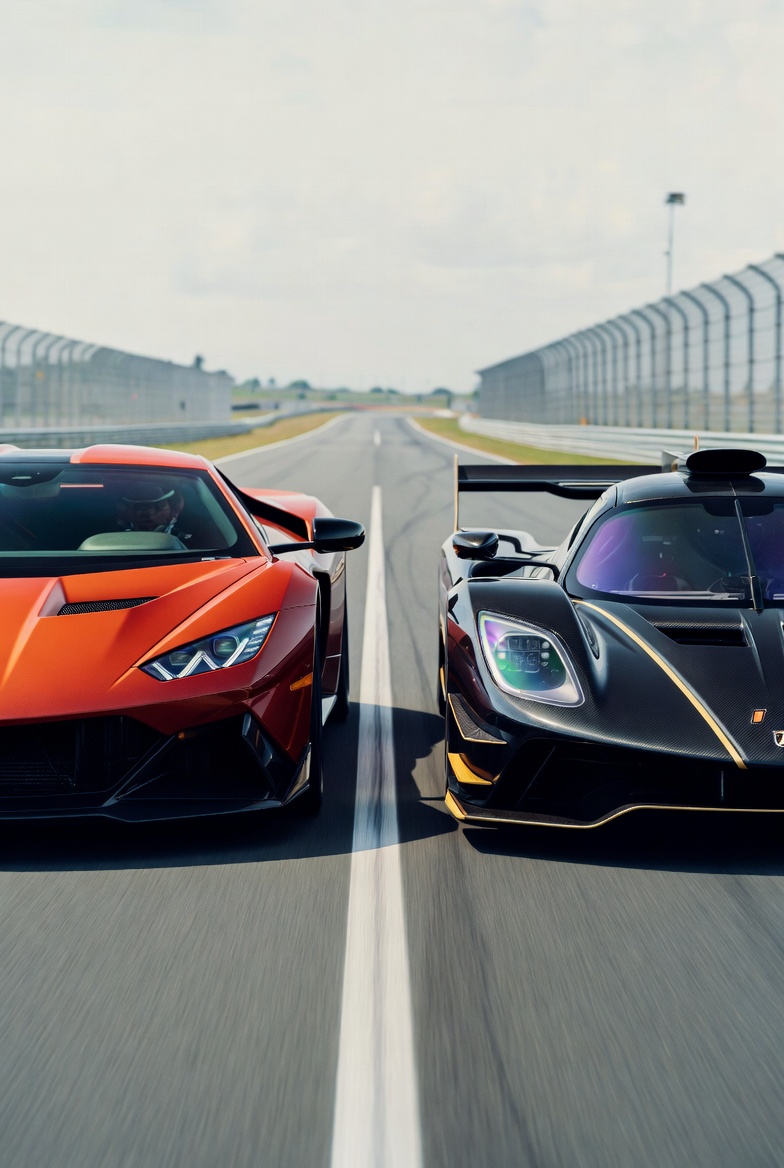
The ultimate performance battle between American supercars and European hypercars is less about declaring a winner and more about understanding their philosophies. American supercars are loud, powerful, and visceral. European hypercars are precise, refined, and technologically advanced.
For driving enthusiasts, the choice depends on what experience they want. Straight line domination and raw power or balanced performance with extreme precision. Both offer unforgettable experiences and represent the pinnacle of automotive engineering.
In the end, the ultimate performance battle is not just about speed or handling. It is about passion, emotion, and the thrill of driving some of the fastest machines ever built.
The debate between American supercars and European hypercars has always been a topic of excitement in the automotive world. In 2026, this battle has never been more intense. American brands like Hennessey, Dodge, and SSC have pushed performance to extremes, while European manufacturers such as Bugatti, Ferrari, Lamborghini, and McLaren continue to refine precision engineering and luxury. Comparing these machines provides a fascinating insight into different philosophies of speed, design, and driving experience.
This article explores the ultimate performance battle between American supercars and European hypercars, analyzing speed, handling, technology, sound, and driver experience.
The American Supercar Approach
American supercars focus on raw power and straight line performance. Brands like Hennessey and SSC create cars with extreme horsepower, often exceeding 1,500 hp, designed to break speed records. Dodge continues the legacy of muscle with the Challenger SRT Demon and its modern successors, emphasizing torque and acceleration.
American supercars often have larger engines, aggressive exhaust notes, and a bold presence. They are designed to dominate drag strips and long highways, providing an adrenaline-packed experience with less concern for complex handling or weight reduction.
The European Hypercar Approach
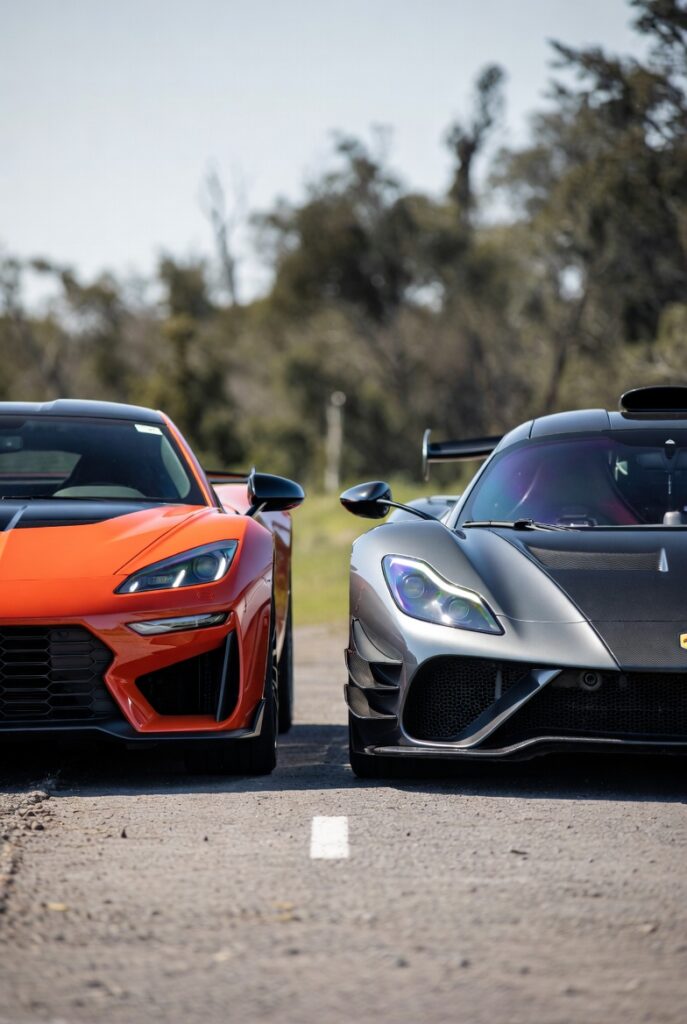
European hypercars prioritize balance, precision, and cutting-edge technology. Ferrari, Lamborghini, Bugatti, and McLaren engineer their cars to handle corners, accelerate, and brake with unmatched refinement. These cars are lightweight, aerodynamic, and equipped with advanced hybrid systems, traction control, and electronic stability features.
European hypercars often cost several million dollars due to low production numbers and extensive engineering. They focus on creating the ultimate driving experience both on tracks and roads, combining speed, handling, and luxury.
Speed Comparison
When it comes to top speed, American supercars like the Hennessey Venom F5 and SSC Tuatara are designed to challenge the record books. These vehicles are capable of exceeding 300 miles per hour under the right conditions, demonstrating sheer raw speed.
European hypercars like the Bugatti Chiron Super Sport and Koenigsegg Jesko also reach similar top speeds, but with more emphasis on stability and aerodynamics. While the difference in maximum speed may be small, European hypercars often achieve it with more refinement and safety features.
Acceleration and Drag Performance
American supercars excel in acceleration. Cars like the Dodge Challenger SRT Demon and Hennessey Venom F5 can reach 60 mph in under 3 seconds. Instant torque and large displacement engines give American cars explosive off the line performance.
European hypercars also accelerate quickly, but they tend to deliver a more controlled experience. Cars like the Ferrari SF90 Stradale or McLaren Speedtail use hybrid systems to provide seamless power delivery, allowing drivers to maintain traction and corner at high speed without losing stability.
Handling and Cornering
Handling is where European hypercars often have an advantage. Lightweight construction, active aerodynamics, and advanced suspension systems allow European cars to maintain high speeds through corners with precision.
American supercars, while capable, often sacrifice handling for power. They tend to be heavier and have simpler suspension setups, making them less agile on twisty roads or technical tracks.
Drivers report that American supercars provide an intense straight line thrill, while European hypercars offer a balanced thrill combining speed, precision, and cornering confidence.
Sound and Driving Experience
The driving experience is not just about speed. Engine sound, feedback, and emotion play a huge role. American supercars are known for their aggressive exhaust notes, often described as loud, raw, and visceral. The feeling of raw power combined with a rumbling V8 or V10 engine is unmatched in terms of adrenaline.
European hypercars offer a more refined auditory experience. Ferrari engines scream at high revs, Lamborghini provides an aggressive but musical tone, and Bugatti produces a deep, thunderous growl. European cars often balance sound with cabin comfort, creating a more engaging but less overwhelming experience.
Technology and Innovation
European hypercars lead in technology and innovation. Active aerodynamics, hybrid powertrains, advanced traction control, and lightweight materials like carbon fiber are standard. These systems improve performance, handling, and safety while pushing engineering boundaries.
American supercars are catching up. Hennessey and SSC incorporate hybrid tech and aerodynamics, but historically, American focus has been on brute force rather than refinement. However, recent innovations show that American manufacturers are closing the gap in engineering sophistication.
Customization and Exclusivity
European hypercars are often highly exclusive, with production limited to tens or hundreds of units. Buyers can customize interior materials, paint, and even engine performance. Cars like the Ferrari Monza SP1 or Bugatti La Voiture Noire are one of one builds, making ownership extremely rare.
American supercars are less rare but still allow for significant customization. Performance packages, engine upgrades, and paint options give buyers the ability to stand out while maintaining the raw American aesthetic.
Price and Investment Value
European hypercars often carry higher price tags due to exclusivity, craftsmanship, and brand heritage. Prices can range from 2 million to over 20 million dollars for limited editions. These cars often appreciate in value over time, making them sought after by collectors.
American supercars tend to be more accessible, with top models priced under 2 million dollars in most cases. However, rare models like the Hennessey Venom F5 or SSC Tuatara can rival European hypercars in price and performance.
The Emotional Factor
Choosing between an American supercar and a European hypercar often comes down to emotion and personal preference. American supercars deliver raw thrill and aggressive performance, appealing to those who love straight line speed and loud engines.
European hypercars provide a balanced experience, combining speed, handling, and technological marvel. They appeal to enthusiasts who appreciate precision engineering, brand heritage, and track performance.
Real World vs Track Performance
American supercars dominate in drag strips and open highways where raw acceleration is key. European hypercars excel on technical tracks and twisty roads where handling, braking, and aerodynamics matter.
Some modern hypercars blur the line, offering both straight line dominance and track prowess. For example, the McLaren Speedtail or Koenigsegg Jesko can outperform almost any car in multiple conditions, combining the best of both worlds.
Conclusion
The ultimate performance battle between American supercars and European hypercars is less about declaring a winner and more about understanding their philosophies. American supercars are loud, powerful, and visceral. European hypercars are precise, refined, and technologically advanced.
For driving enthusiasts, the choice depends on what experience they want. Straight line domination and raw power or balanced performance with extreme precision. Both offer unforgettable experiences and represent the pinnacle of automotive engineering.
In the end, the ultimate performance battle is not just about speed or handling. It is about passion, emotion, and the thrill of driving some of the fastest machines ever built.