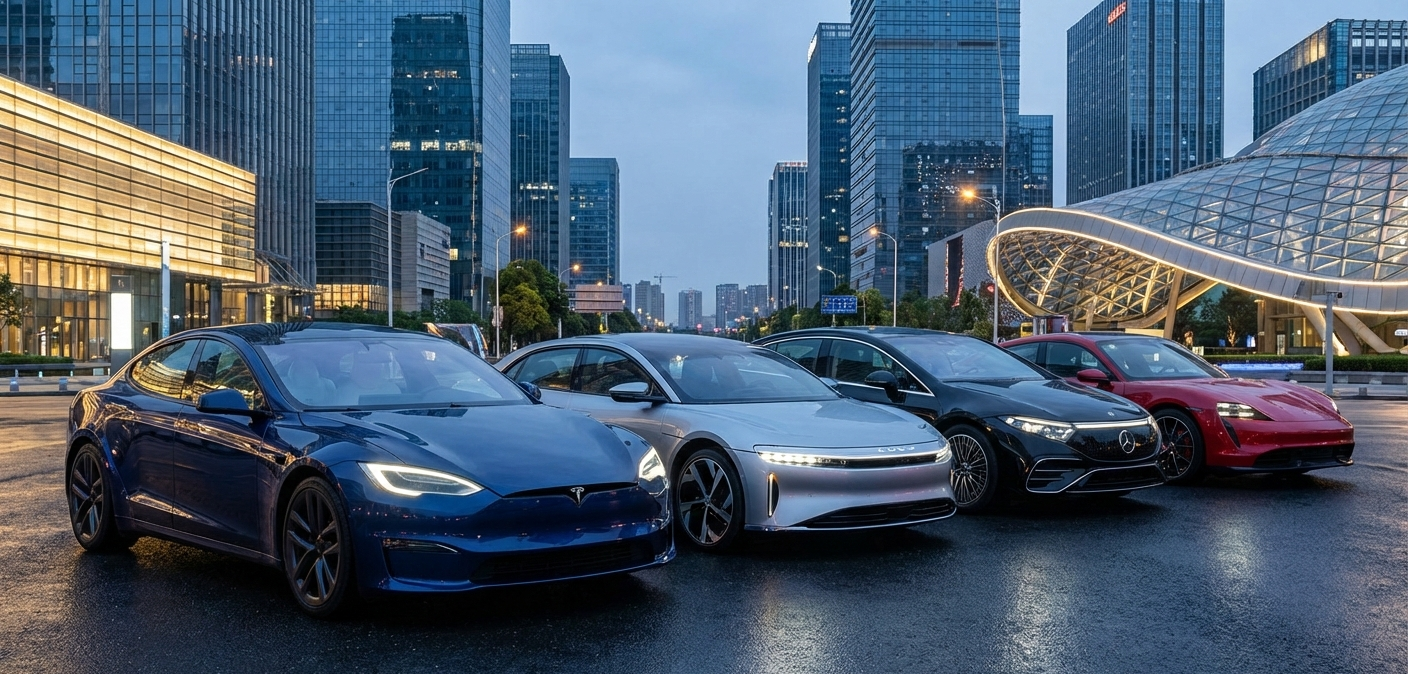
The automotive industry is witnessing a double revolution: electrification and artificial intelligence (AI). While electric vehicles (EVs) reduce emissions and enhance efficiency, AI powers self-driving, predictive maintenance, and intelligent traffic integration. Together, these technologies are redefining the future of transportation, especially in the United States, where infrastructure, consumer interest, and technological investment are accelerating adoption.
In this article, we explore how AI and EVs are intertwined, the current technologies driving autonomous and electric vehicles, and the transformative impact they will have on urban mobility, safety, and sustainability.
1. Why AI is Critical for Modern Vehicles
Artificial intelligence enables vehicles to perceive, analyze, and act in real time:
-
Autonomous Driving: AI systems process data from cameras, radar, and LIDAR to navigate roads safely.
-
Predictive Maintenance: AI monitors battery health, tire conditions, and motor performance to prevent failures.
-
Energy Optimization: AI algorithms optimize battery usage, regenerative braking, and charging schedules.
-
Driver Assistance: AI powers lane-keeping, adaptive cruise control, parking assistance, and collision avoidance.
Impact: AI transforms EVs from static machines into smart, adaptive mobility solutions.
2. Levels of Autonomous Driving
Autonomous technology is classified into six levels (SAE standard 0–5):
-
Level 0: No automation, human driver responsible.
-
Level 1: Driver assistance (e.g., adaptive cruise control).
-
Level 2: Partial automation (lane centering, braking assistance).
-
Level 3: Conditional automation (vehicle can manage some driving, driver must intervene).
-
Level 4: High automation (vehicle can operate without human input in certain areas).
-
Level 5: Full automation (no human intervention needed, capable of all environments).
Insight: Most EVs today are Level 2–3, while 2026 and beyond will see more Level 4 deployment, especially in urban fleets.
3. How EVs Enable AI Integration
Electric vehicles provide a unique platform for AI:
-
Electrical Architecture: EVs have high-voltage systems that support advanced computing and sensors.
-
Software-Centric Design: Modern EVs rely on over-the-air updates, making AI integration smoother.
-
Battery Efficiency: AI algorithms optimize energy consumption, extending range and improving performance.
Example: Tesla’s Full Self-Driving (FSD) beta uses AI to process real-time road conditions, adapting driving behavior dynamically.
4. Sensor Technology in Autonomous EVs
AI relies on sensors to “see” the world:
-
Cameras: Provide visual input for lane detection, traffic signals, and object recognition.
-
Radar: Measures speed and distance of surrounding objects, effective in adverse weather.
-
LIDAR: Uses laser light to create a 3D map of the environment (common in Waymo and Cruise vehicles).
-
Ultrasonic Sensors: Detect nearby obstacles during low-speed maneuvers.
Pro Tip: The combination of EVs and AI ensures accurate navigation, enhanced safety, and optimized driving performance.
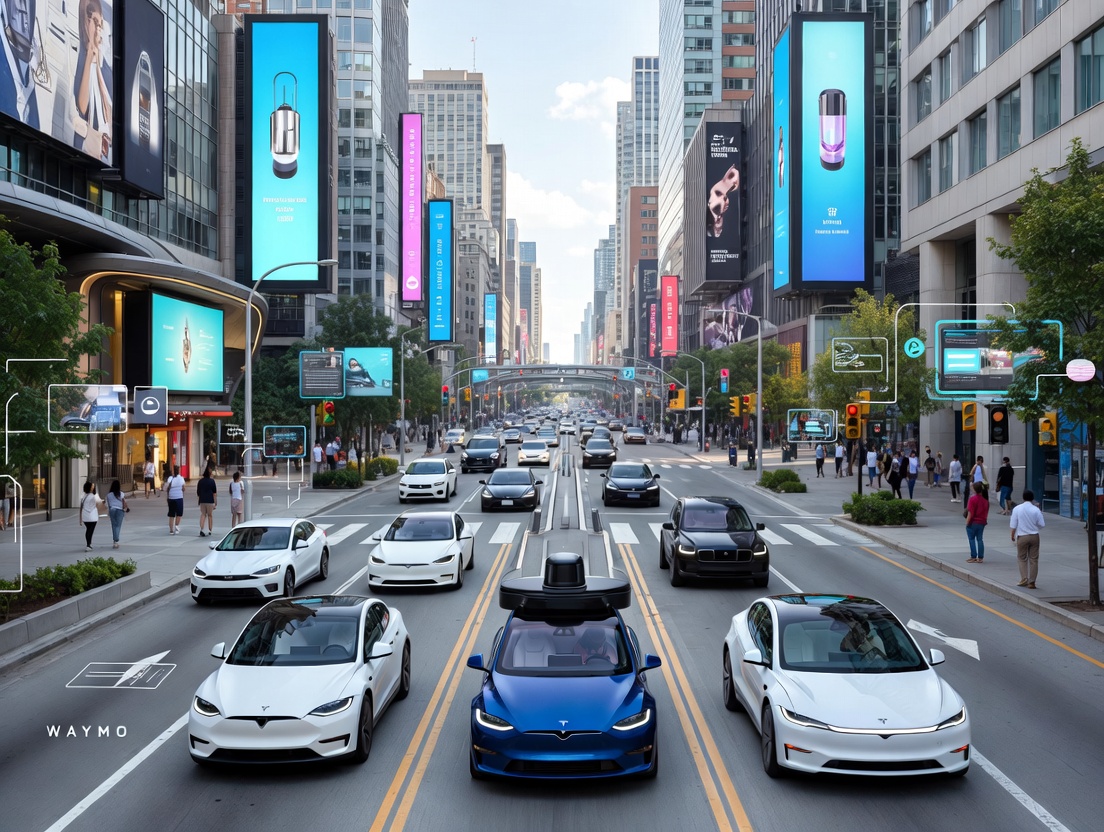
5. AI-Powered Navigation and Traffic Management
Autonomous EVs leverage AI to optimize routes and traffic flow:
-
Smart Routing: AI predicts traffic patterns and congestion in real time.
-
Vehicle-to-Everything (V2X) Communication: EVs communicate with infrastructure, traffic lights, and other vehicles.
-
Fleet Coordination: Ride-sharing and delivery fleets use AI to reduce travel time, energy use, and congestion.
Impact: Smarter roads and AI-driven vehicles reduce commute times, emissions, and accidents.
6. Safety Benefits of Autonomous EVs
Autonomous AI systems dramatically enhance safety:
-
Over 90% of road accidents are caused by human error. AI reduces this risk.
-
Emergency braking, collision avoidance, and lane-departure warnings prevent accidents.
-
EVs’ low center of gravity reduces rollover risk, enhancing AI-controlled stability.
Insight: The combination of EV safety features and AI reduces fatalities and urban congestion, making cities safer.
7. Predictive Maintenance and Vehicle Longevity
AI helps maintain EVs proactively:
-
Monitors battery health, motor temperature, and charging cycles.
-
Alerts drivers to potential mechanical or electrical issues before they become costly repairs.
-
Optimizes battery charging habits to extend lifespan.
Pro Tip: AI-driven predictive maintenance lowers ownership costs and increases reliability.
8. AI and Energy Management in EVs
EVs require efficient energy use:
-
AI manages regenerative braking to recover energy efficiently.
-
Optimizes battery load distribution for better range and performance.
-
Predicts charging needs and connects with smart grids to avoid peak energy costs.
Impact: Intelligent energy management reduces emissions and maximizes vehicle efficiency.
9. The Role of Autonomous EVs in Urban Mobility
Autonomous EVs will transform cities and infrastructure:
-
Shared Mobility: AI fleets reduce personal car dependency, freeing parking space and reducing congestion.
-
Urban Delivery: Autonomous EV vans and drones optimize logistics, cutting delivery times and emissions.
-
Public Transit: AI EV buses adapt routes dynamically, improving efficiency and service.
Example: Miami and Phoenix are testing autonomous EV shuttles to integrate into public transit networks.
10. AI and EV Performance Enhancement
AI improves EV driving performance:
-
Real-time torque vectoring enhances cornering and stability.
-
Adaptive acceleration profiles improve energy efficiency.
-
AI monitors road friction, weather, and battery temperature, adjusting performance for safety and efficiency.
Impact: Drivers enjoy optimized performance without sacrificing safety or range.
11. Challenges and Considerations
Despite rapid progress, AI and EVs face hurdles:
-
Regulatory Approvals: Laws and safety regulations vary across states.
-
Cybersecurity Risks: AI and connected systems can be targeted by hackers.
-
Public Trust: Many consumers are cautious about fully autonomous driving.
-
High Costs: AI hardware, sensors, and software development increase vehicle prices.
Solution: Collaboration between automakers, tech companies, and government is accelerating safe deployment.
12. The Future: AI-Driven EV Ecosystems
The combination of AI and EVs will lead to fully integrated transportation ecosystems:
-
Vehicle-to-Grid (V2G): EVs feed energy back to the grid during peak demand.
-
Autonomous Ride-Sharing: AI fleets offer convenient, emission-free mobility.
-
Smart Cities: AI EVs communicate with traffic lights, smart roads, and other infrastructure.
-
Predictive Urban Planning: Data from autonomous EVs inform city planners on congestion patterns and energy usage.
Insight: The EV-AI ecosystem will redefine mobility, sustainability, and urban life.
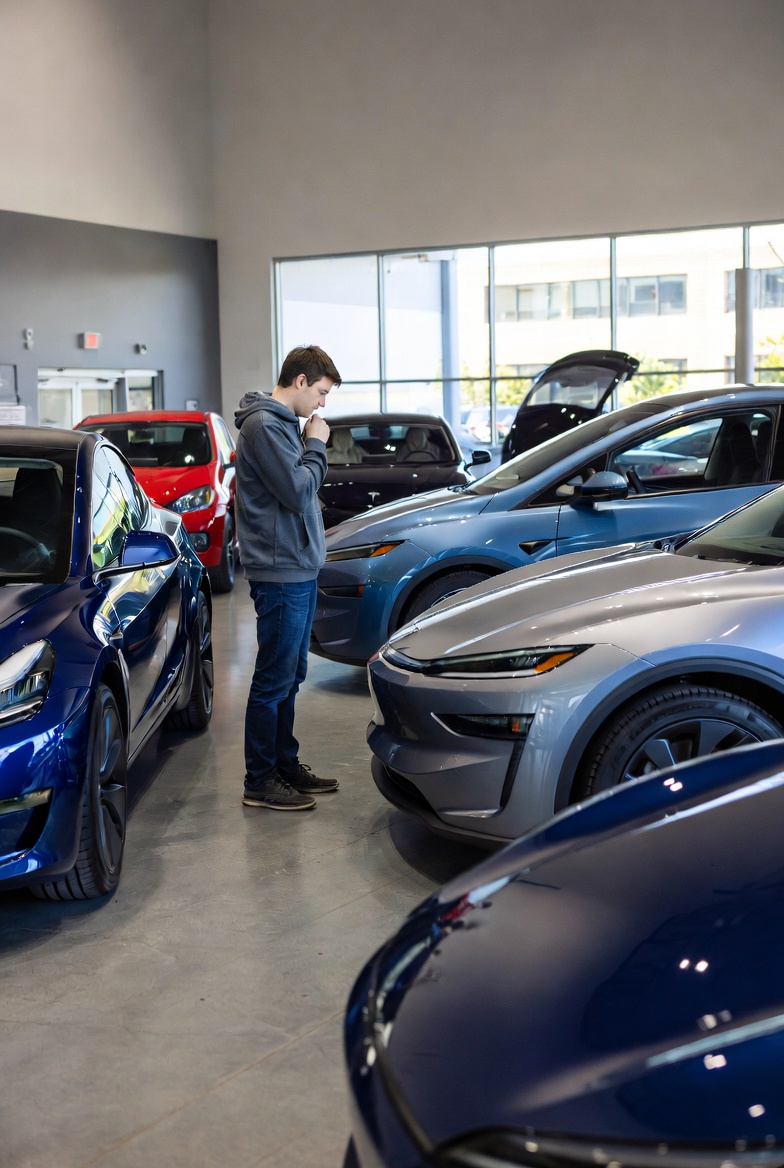
13. Consumer Considerations for First-Time AI EVs
When buying an autonomous or AI-enabled EV:
-
Evaluate level of autonomy suitable for your comfort and legal limits.
-
Check software update policies and support.
-
Consider battery range, charging network access, and AI-driven energy optimization features.
-
Prioritize cybersecurity features to protect vehicle data.
Pro Tip: Start with Level 2–3 vehicles before adopting full autonomy (Level 4–5).
14. Leading AI EV Manufacturers
Several companies are pioneering AI EV technology:
-
Tesla: Over-the-air updates and Full Self-Driving software.
-
Waymo: Fully autonomous EV fleet trials in urban environments.
-
Lucid Motors: AI-assisted energy management and predictive safety systems.
-
GM Cruise: Autonomous EVs for ride-hailing and logistics.
-
Ford and Rivian: Integrating AI driver assistance in trucks and SUVs.
Impact: Competition drives innovation, affordability, and adoption of AI EVs.
Driving Toward an AI-Empowered EV Future
The fusion of AI and electric vehicles represents a paradigm shift in mobility. From enhanced safety and energy efficiency to fully autonomous urban fleets, AI is transforming how we drive, commute, and manage transportation infrastructure.
For consumers, the combination of EVs and AI offers greater convenience, lower emissions, and smarter mobility. For cities, it promises reduced congestion, cleaner air, and data-driven urban planning.
As AI technology continues to evolve and EV adoption rises, the future of cars will be intelligent, electric, and seamless, marking the dawn of a new era in transportation.