The automotive world has always had a fascinating debate: classic vs. modern cars. While modern vehicles benefit from technological advancements, safety features, and fuel efficiency, vintage cars hold a special place in the hearts of collectors and enthusiasts.
In the USA, classic cars are more than transportation—they are rolling works of art, embodying history, culture, and craftsmanship. Modern cars, while innovative, often lack the soul and character of their predecessors. Understanding what makes vintage cars so special requires exploring their design, engineering, cultural impact, and emotional value.
This article examines the differences between classic and modern cars, highlighting why vintage vehicles remain irreplaceable in American automotive culture.
1. Design and Aesthetic Appeal
One of the most striking differences between classic and modern cars lies in design.
-
Classic Cars:
-
Distinctive, handcrafted styling
-
Chrome accents, sweeping curves, and unique silhouettes
-
Every car often had small design variations making each vehicle unique
-
-
Modern Cars:
-
Streamlined, aerodynamic designs for fuel efficiency
-
Mass-produced styling, often prioritizing function over flair
-
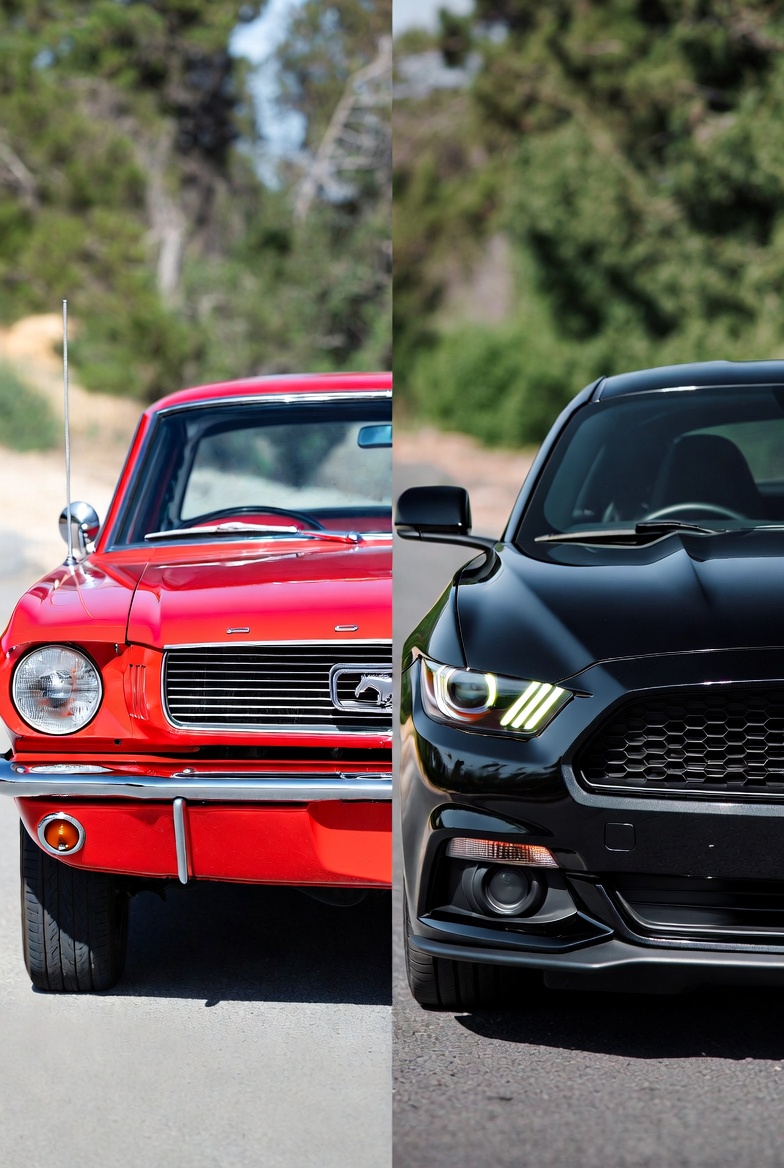
Example: The 1965 Ford Mustang exudes personality with its muscular stance and elegant curves, while the 2023 Mustang, though technologically advanced, has a more uniform design across models.
Vintage cars evoke nostalgia and a visual charm that modern vehicles rarely replicate.
2. Craftsmanship and Engineering
Vintage cars are testaments to meticulous craftsmanship. Many were hand-built or included handcrafted details:
-
Leather interiors, wooden dashboards, hand-fitted chrome
-
Engines assembled with precision and unique tuning
-
Mechanical simplicity that allows enthusiasts to understand and appreciate every component
Modern cars, while reliable, rely heavily on computerized assembly and electronic systems. Vintage engines, like those of the Chevrolet Corvette C1, give owners a more tactile, connected driving experience.
3. Driving Experience
The driving feel is another area where classic cars shine:
-
Vintage Cars:
-
Mechanical steering and manual gearboxes provide an intimate driving connection
-
Engine sounds, vibrations, and road feel create a sensory experience
-
Performance is often raw and exhilarating
-
-
Modern Cars:
-
Computer-assisted driving, smooth automatic transmissions
-
Noise reduction and comfort prioritize convenience over thrill
-
Driving can feel sterile or disconnected
-
Enthusiasts argue that driving a 1967 Shelby GT500 or a Cadillac Eldorado is not just transportation—it’s an emotional journey.
4. Cultural and Historical Significance
Classic cars carry cultural weight that modern vehicles often lack:
-
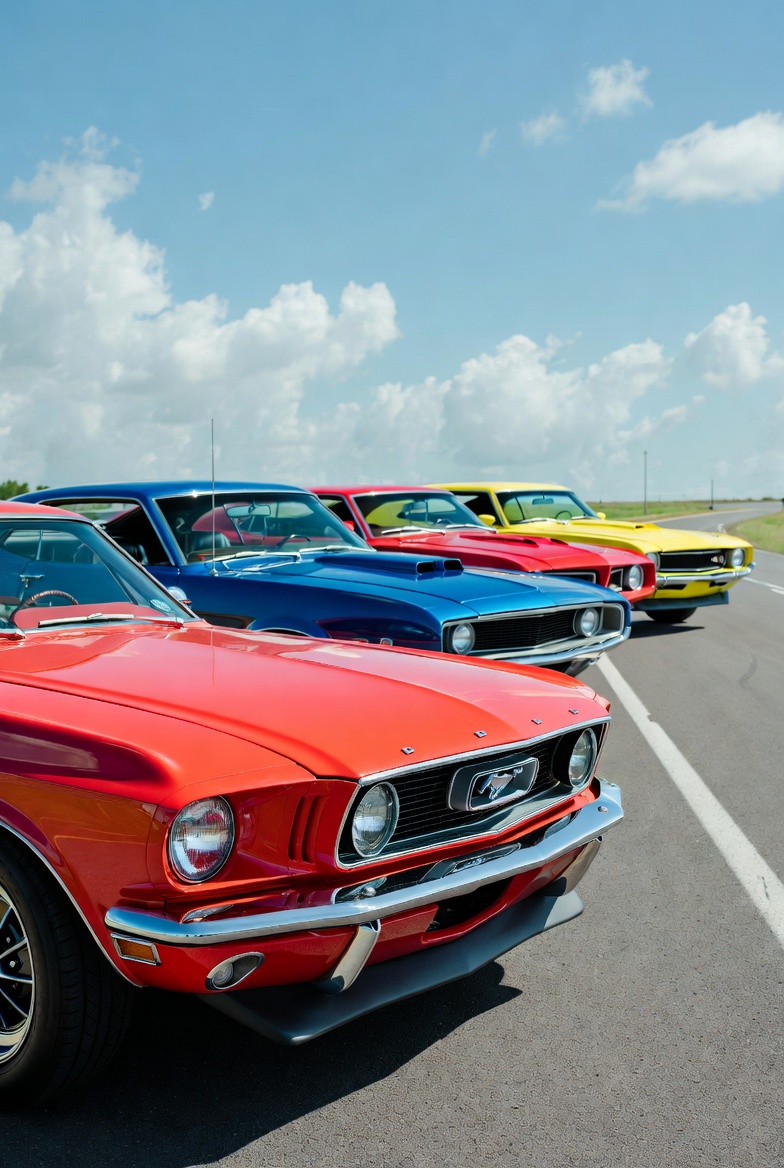
Many vintage cars symbolize historical eras, like the post-WWII optimism of the Chevrolet Bel Air or the rebellious youth culture embodied by the Ford Mustang.
-
They appear in films, music, and media, cementing their status as cultural icons.
-
Modern cars, while innovative, often lack deep historical resonance because they haven’t yet stood the test of time.
Owning a classic car is owning a piece of history, not just a vehicle.
5. Rarity and Collectibility
Vintage cars are often limited in production and survive in smaller numbers due to age, accidents, and wear:
-
Cars like the Ferrari 250 GTO or Duesenberg Model J are exceedingly rare.
-
Scarcity adds to value, prestige, and emotional appeal.
Modern cars, in contrast, are produced in millions. While some limited editions exist, they often lack the heritage and story that vintage cars carry.
6. Investment Potential
Classic cars are not just hobbies—they’re investments:
-
Rare vintage cars can appreciate exponentially in value over decades.
-
Well-maintained vehicles often sell for millions at auctions, such as the Mercedes-Benz 300SL Gullwing.
-
Modern cars depreciate rapidly and rarely achieve vintage-level appreciation.
For collectors, investing in vintage cars is both passion and financial strategy.
7. Emotional Connection
Perhaps the most compelling reason vintage cars are special is the emotional bond they create:
-
Owners often restore vehicles by hand, forming a connection with the craftsmanship.
-
Driving a classic car evokes nostalgia and excitement that modern vehicles rarely match.
-
Classic cars are a conversation starter, a status symbol, and a source of pride.
No dashboard touchscreen or automated driving feature can replicate the feeling of sitting behind the wheel of a 1964 Chevrolet Corvette.
8. Limitations of Modern Cars Compared to Vintage Cars
While modern cars excel in safety, fuel efficiency, and technology, they often sacrifice:
-
Character and personality – Many modern vehicles feel “generic.”
-
Simplicity – Electronics-heavy systems can complicate repairs and maintenance.
-
Sensory experience – Modern cars prioritize comfort over engagement.
Classic cars remind enthusiasts why driving can be thrilling, personal, and memorable.
9. Restoration and Preservation
Maintaining a vintage car is a labor of love:
-
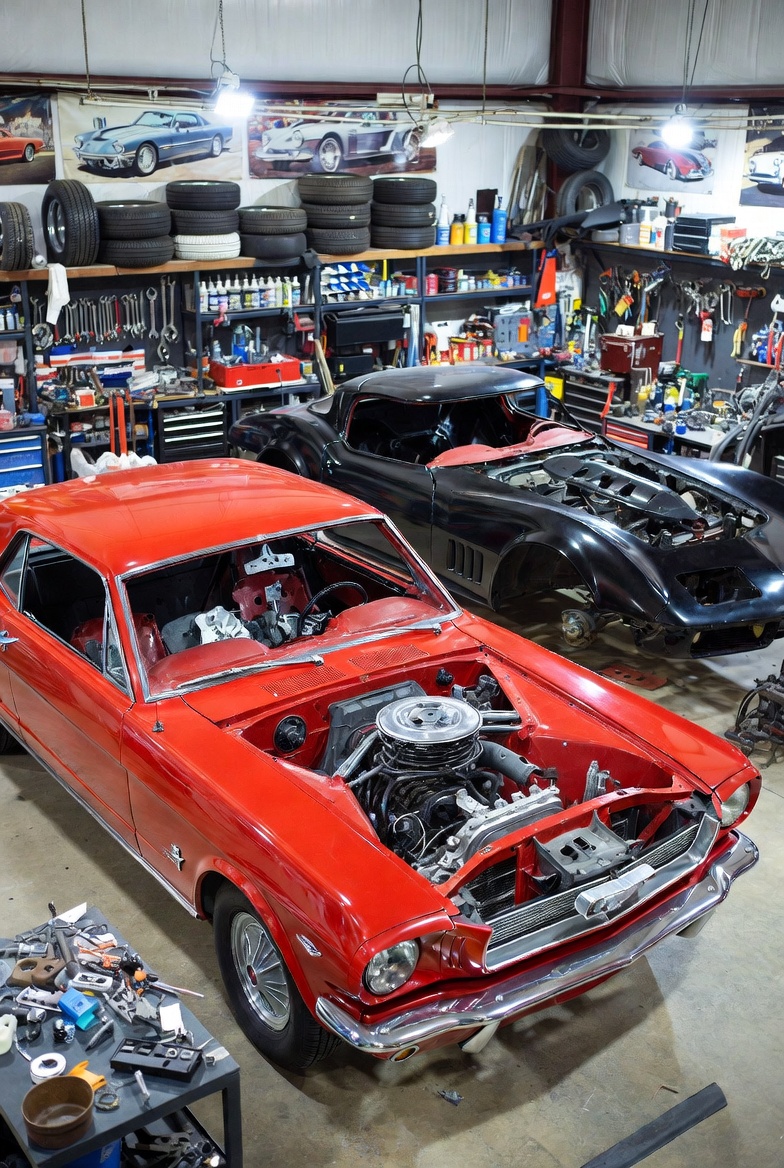
Engine rebuilds, bodywork, and interior restoration are essential for preservation.
-
Restored cars retain historical authenticity while often improving reliability.
-
Classic car shows, auctions, and rallies in the USA celebrate these preserved vehicles, keeping history alive.
Modern cars, while easier to maintain, rarely inspire the same passion in restoration communities.
10. Why Classic Cars Endure in Popularity
Classic cars continue to captivate enthusiasts because they:
-
Represent history and culture.
-
Offer a unique driving experience.
-
Maintain collectible value and rarity.
-
Serve as artistic expressions with design and craftsmanship.
-
Evoke emotions and nostalgia unmatched by modern cars.
From the Ford Mustang to the Jaguar E-Type, vintage cars embody freedom, style, and individuality. Their timeless appeal ensures that, even in a world of modern innovations, they remain special, admired, and sought after.
The Timeless Allure of Vintage Cars
While modern cars dominate the roads with technology, safety, and performance, vintage cars remain unmatched in charm, character, and cultural significance. In the USA, enthusiasts continue to restore, collect, and celebrate classic cars for their historical importance, driving experience, and emotional resonance.
Classic cars are not just vehicles—they are living pieces of history, art, and engineering. Whether admired at car shows, driven on scenic roads, or displayed in private collections, they continue to captivate hearts and remind us why the love for vintage cars will never fade.