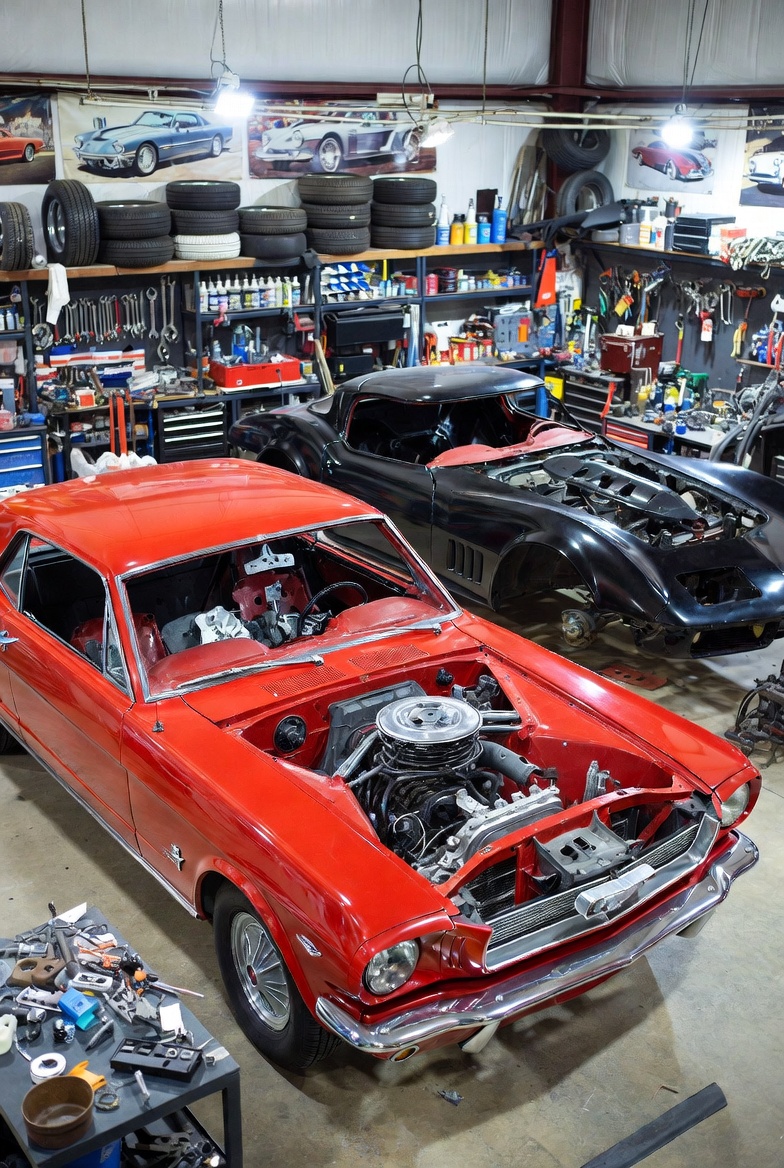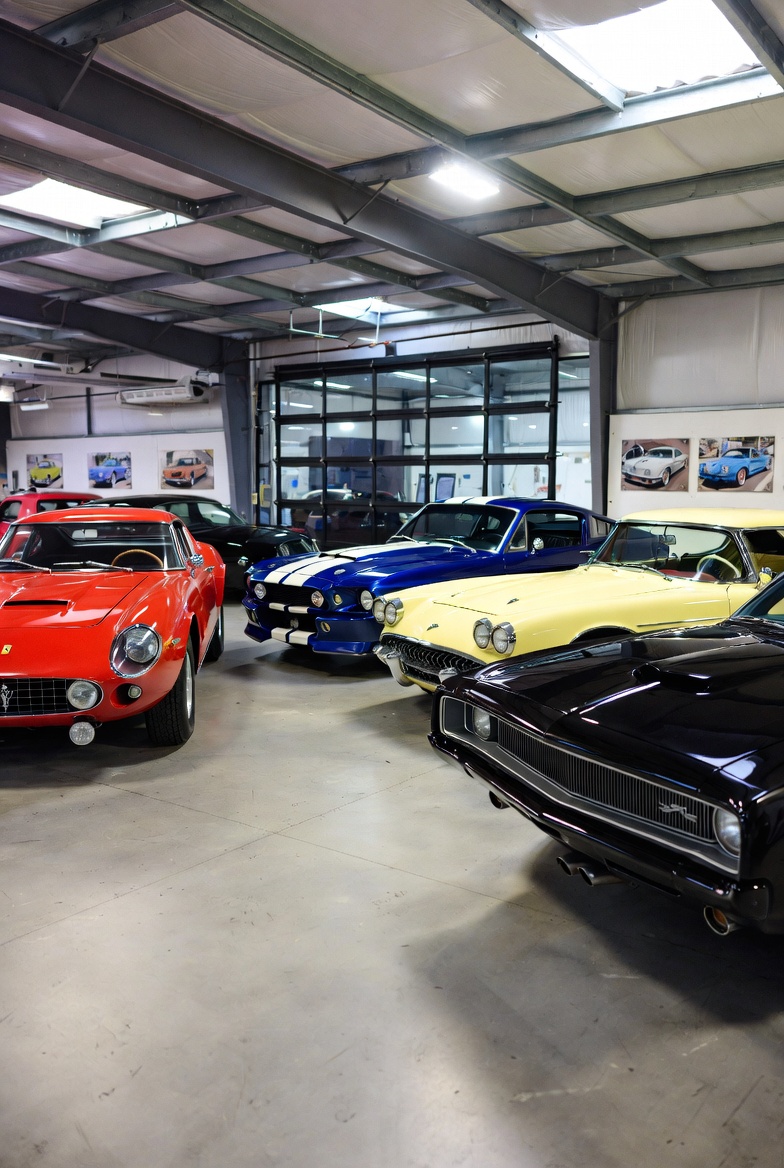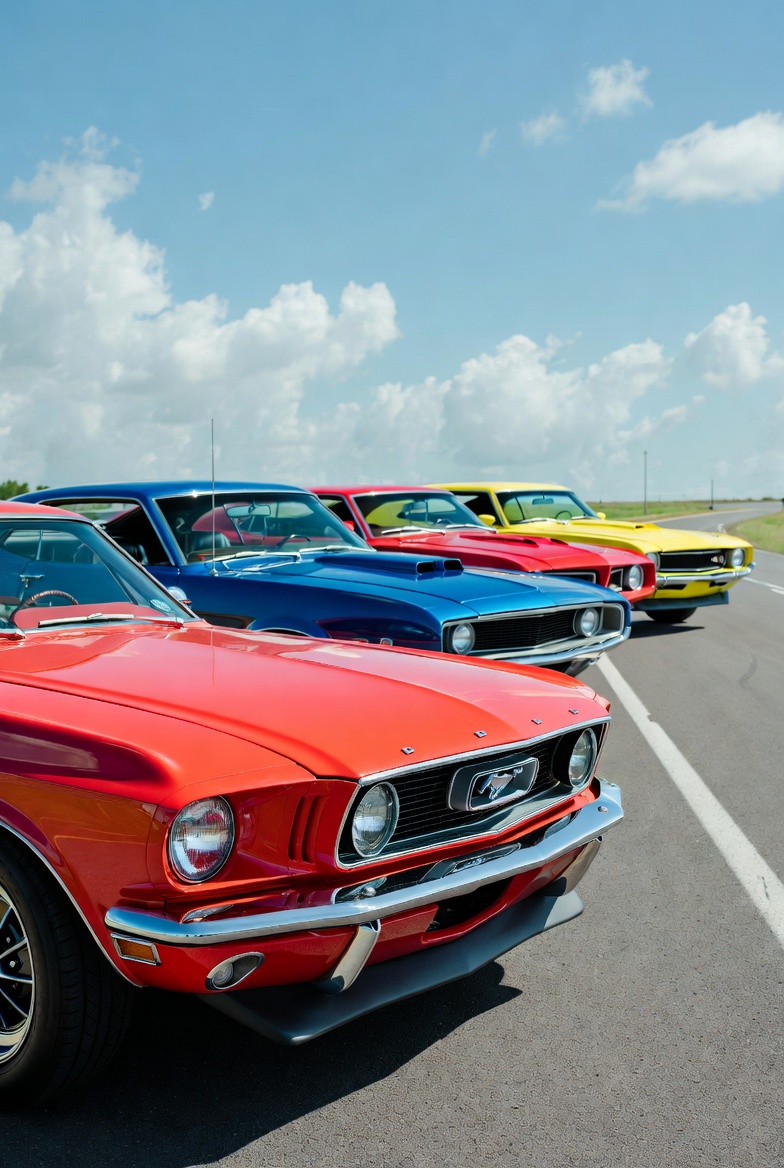
The 1960s and 70s in the USA gave birth to a legendary era of automotive performance and style—the muscle car era. Characterized by powerful engines, aggressive styling, and affordable performance, muscle cars were designed to thrill drivers and dominate roads, drag strips, and popular culture alike.
These cars weren’t just machines—they became symbols of freedom, rebellion, and youthful energy, defining a generation. Their combination of speed, design, and accessibility made them uniquely American.
In this article, we explore the most iconic muscle cars of the 60s and 70s, their performance, cultural impact, and why they continue to shape American automotive culture.
1. Ford Mustang (1964–1973): The Pony Car Pioneer
The Ford Mustang is widely considered the car that launched the pony car segment:
Key Features:
-
Compact, stylish design with fastback options
-
Range of engines, from inline-six to high-performance V8s
-
Affordable yet high-performance, targeting young buyers
Cultural Impact:
-
Featured in countless films and TV shows, e.g., “Bullitt”
-
Became a symbol of American youth and freedom
-
Inspired competitors such as the Camaro, Pontiac Firebird, and Dodge Challenger
The Mustang’s combination of style, speed, and accessibility cemented its legendary status.
2. Chevrolet Camaro (1967–1973): Rivalry and Performance
The Chevrolet Camaro was GM’s answer to the Mustang:
Key Features:
-
Sleek, aggressive design with multiple body styles
-
Powerful small-block and big-block V8 options
-
Performance-oriented SS and Z/28 models
Cultural Impact:
-
Became a staple in drag racing and street performance
-
Popular in films, commercials, and car culture magazines
-
Represented GM’s entry into the muscle car showdown
The Camaro’s rivalry with the Mustang created a competitive spirit that drove innovation and performance.
3. Dodge Charger (1966–1974): Power and Presence
The Dodge Charger was one of the most imposing muscle cars of its era:
Key Features:
-
Wide, muscular body and fastback styling
-
High-performance V8 engines, including the HEMI
-
Signature split grille and aggressive aesthetics
Cultural Impact:
-
Popularized by TV shows like “The Dukes of Hazzard”
-
Became a symbol of raw American power and attitude
-
Collector favorite for both design and performance
The Charger blended design, power, and cultural influence seamlessly.
4. Pontiac GTO (1964–1974): The Original Muscle Car
The Pontiac GTO is often credited as one of the first true muscle cars:
Key Features:
-
Mid-sized chassis with high-performance V8s
-
Performance-focused modifications and trim options
-
Aggressive styling with signature hood scoops
Cultural Impact:
-
Featured in countless car magazines, songs, and films
-
Sparked the muscle car craze of the 60s and 70s
-
Remains highly collectible among enthusiasts
The GTO’s combination of affordable performance and aggressive design set the standard for muscle cars.
5. Plymouth Barracuda (1964–1974): Speed Meets Style
The Plymouth Barracuda was Chrysler’s entry into the pony and muscle car segments:
Key Features:
-
Unique fastback design for aerodynamics and style
-
Range of engines from Slant-6 to powerful HEMI V8s
-
Lightweight, performance-focused construction
Cultural Impact:
-
Popular in drag racing and street performance
-
Collector favorite for rare HEMI-powered models
-
Represented Chrysler’s commitment to speed and design innovation
The Barracuda combined style, performance, and rarity, making it a classic icon.
6. Chevrolet Chevelle SS (1964–1972): Muscle and Versatility
The Chevelle SS offered a perfect mix of muscle and everyday usability:
Key Features:
-
Wide range of powerful V8 engines
-
Aggressive styling with SS-specific trim
-
Comfortable interior with performance upgrades
Cultural Impact:
-
Popular among drag racers and car enthusiasts
-
Frequently featured in movies and car shows
-
Recognized for its versatility and performance
The Chevelle SS embodies the balance of power, style, and accessibility.
7. Buick Gran Sport (GS) (1965–1972): Subtle Muscle
The Buick GS proved that muscle could be luxurious and powerful:
Key Features:
-
Smooth yet powerful V8 engines
-
Aggressive styling balanced with refined interiors
-
Rare, high-performance GS 455 models
Cultural Impact:
-
Muscle car enthusiasts appreciate its blend of luxury and performance
-
A collectible favorite for those seeking subtle muscle
The GS showcases performance without sacrificing refinement.
8. AMC AMX (1968–1970): Underdog Muscle
The AMC AMX was a short-wheelbase, high-performance pony car:
Key Features:
-
Two-seater layout for racing-focused performance
-
Powerful V8 options and lightweight body
-
Distinctive styling for standout appearance
Cultural Impact:
-
Short production run increases rarity and collectibility
-
Became a niche favorite among muscle car collectors
-
Known for racing success in its class
The AMX demonstrates innovation and rarity in the muscle car market.
9. Dodge Challenger (1970–1974): Bold and Powerful
The first-generation Dodge Challenger was Chrysler’s answer to Mustang and Camaro:
Key Features:
-
Wide, aggressive body with multiple trim levels
-
High-performance R/T and HEMI engines
-
Muscle car aesthetics with modern influence
Cultural Impact:
-
Popularized in racing, drag strips, and pop culture
-
Collectors prize rare HEMI-powered models
-
Represents Chrysler’s muscle car ambition
The Challenger is celebrated for bold styling and uncompromised performance.
10. Plymouth Road Runner (1968–1974): Affordable Muscle
The Road Runner made muscle cars accessible to the masses:
Key Features:
-
Lightweight design with big-block V8 engines
-
Functional, stripped-down interiors for performance
-
Iconic Road Runner cartoon branding
Cultural Impact:
-
Became a favorite for drag racing and performance enthusiasts
-
Affordable yet powerful, attracting younger buyers
-
High collectibility due to low production numbers and iconic branding
The Road Runner represents pure performance and affordability, a true muscle car icon.
Why Muscle Cars of the 60s and 70s Remain Iconic?
Several factors contribute to their enduring appeal:
-
Design and Styling: Aggressive lines, wide stances, and bold colors capture attention.
-
Raw Performance: High-powered engines and mechanical simplicity create excitement.
-
Cultural Significance: Movies, TV shows, and music immortalized these cars.
-
Collectibility: Low production numbers and rarity increase value over time.
-
Emotional Connection: Represent freedom, rebellion, and youth culture in America.
Muscle cars are not just vehicles—they are symbols of a vibrant era in American automotive history.
The Legacy of Muscle Cars
The muscle cars of the 1960s and 70s define American automotive culture. From the Ford Mustang to the Plymouth Road Runner, these vehicles combined style, performance, and cultural resonance in ways that continue to captivate collectors and enthusiasts today.
Whether admired at car shows, preserved in private collections, or driven along open highways, muscle cars remain living icons of American ingenuity, speed, and attitude. Their enduring legacy ensures that the spirit of the muscle car era will never fade.