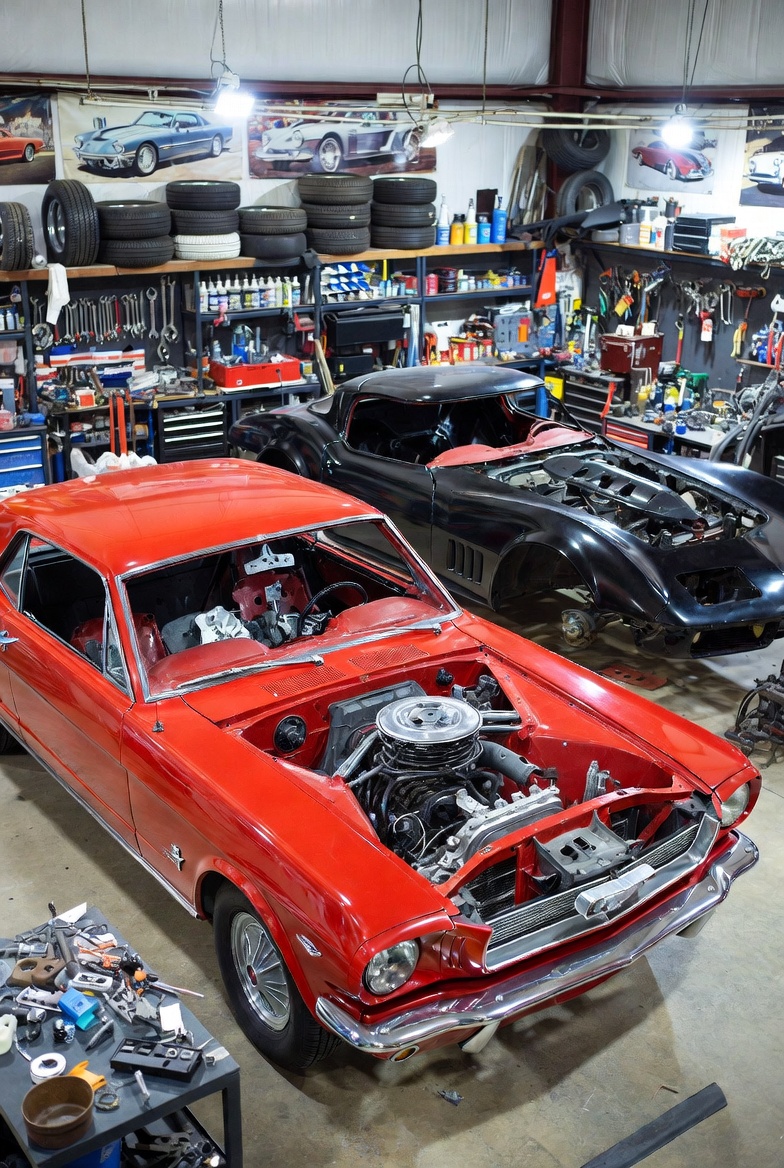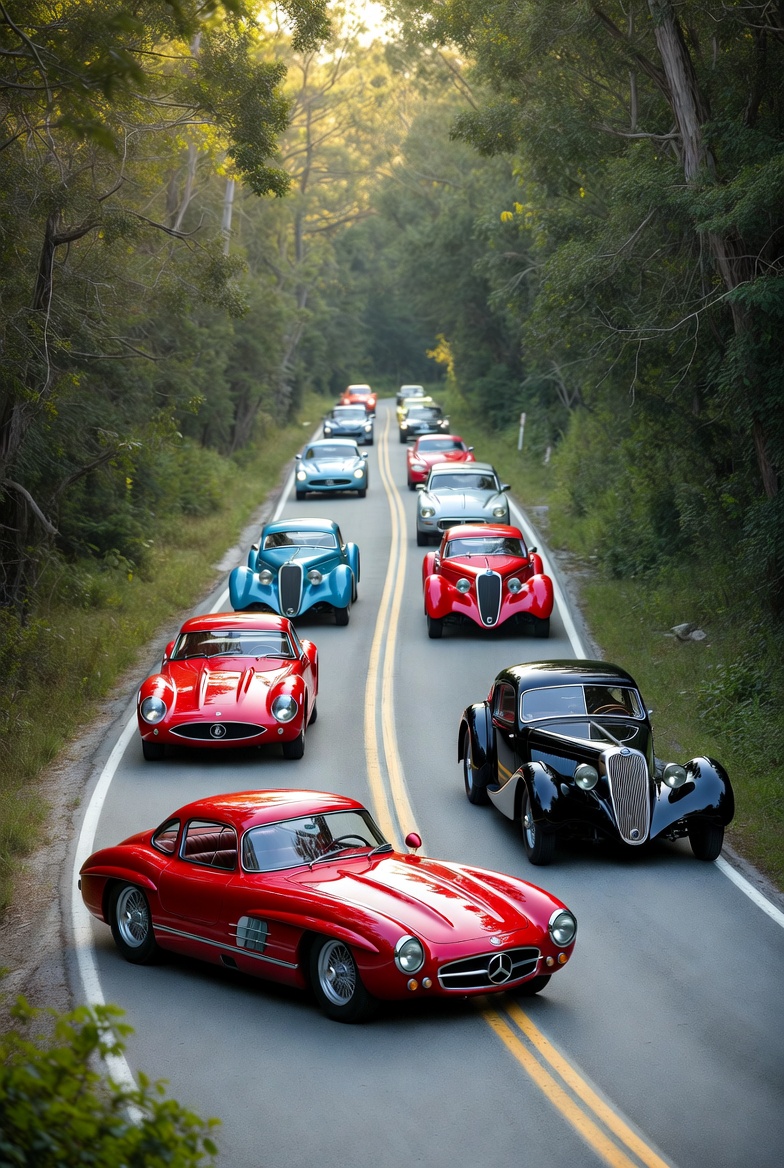
For classic car enthusiasts in the USA, rare vintage cars hold an almost mythical appeal. Unlike the widely recognized Mustangs or Corvettes, these vehicles are often limited in production, historically significant, or one-of-a-kind. They are the cars you almost never see on the street, yet they represent the pinnacle of automotive design, engineering, and artistry.
The rarity of these vehicles isn’t just about numbers—it’s about innovation, craftsmanship, and cultural significance. Owning or even glimpsing one is like touching a piece of automotive history. Collectors are willing to invest millions to acquire these gems, and their presence at car shows or private collections can leave even seasoned enthusiasts in awe.
In this article, we explore some of the rarest vintage cars you’ll likely never encounter in everyday traffic, uncovering their history, unique features, and why they are so highly coveted in the USA and beyond.
1. Duesenberg Model J (1928–1937): The Epitome of Luxury
The Duesenberg Model J is often described as the Rolls-Royce of America. Hand-built with unmatched craftsmanship, it was a symbol of wealth and status during the 1930s.
Why It’s Rare?
-
Extremely limited production: only 481 cars built
-
Custom coachbuilt bodies made each vehicle unique
-
Featured in movies and owned by celebrities
Notable Features:
-
Inline-8 engine producing 265 horsepower
-
Luxurious interiors with leather and wood finishes
-
Sleek, elegant design that influenced future luxury cars
Even today, Duesenbergs command multi-million-dollar prices at auctions.
2. Mercedes-Benz 300SL Gullwing (1954–1957): Engineering Marvel
The 300SL Gullwing is one of the most instantly recognizable vintage cars, famous for its upward-opening doors and innovative engineering.
Reasons for Rarity:
-
Only 1,400 coupes produced
-
High-performance 3.0L engine for its era
-
Iconic design loved by collectors worldwide
Cultural Impact:
The 300SL was more than a car—it was a statement of sophistication and speed. Its gullwing doors remain legendary in automotive history.
3. Ferrari 250 GTO (1962–1964): The Racing Legend
The Ferrari 250 GTO is often considered the most valuable classic car in the world. With only 36 units produced, it is a true collector’s dream.
Key Features:
-
Lightweight body for racing performance
-
V12 engine delivering exceptional speed
-
Stunning, timeless design
Why It’s Coveted?
-
Historical racing pedigree
-
Ultra-rare production
-
Multi-million-dollar auction prices
Even a glimpse of a 250 GTO can make car enthusiasts’ hearts race.
4. Bugatti Type 57 (1934–1940): French Elegance in America
The Bugatti Type 57 represents the elegance of pre-WWII European luxury cars. Its rarity and artistic design make it a treasure for collectors.
Highlights:
-
Limited production with custom coachbuilt bodies
-
Advanced engineering for its time
-
Smooth inline-8 engine performance
Bugatti Type 57s are prized for their timeless beauty and engineering excellence, making them a centerpiece in any vintage collection.
5. Alfa Romeo 8C 2900 (1937–1939): Pre-War Perfection
The Alfa Romeo 8C 2900 is widely regarded as one of the most beautiful pre-war cars. Produced in extremely limited numbers, it combined performance and style like few others.
Notable Features:
-
Supercharged straight-8 engine
-
Lightweight chassis for superior handling
-
Elegant, aerodynamic design
Only a handful survive today, often displayed at prestigious events such as Pebble Beach Concours d’Elegance.
6. Aston Martin DB4 GT Zagato (1960–1963): British Rarity
The DB4 GT Zagato is the ultimate British sports car from the 1960s. Limited production and racing pedigree make it highly sought after.
Key Features:
-
Lightweight aluminum body by Zagato
-
Powerful inline-6 engine
-
Distinctive, aerodynamic styling
Collectors prize the DB4 GT for both its performance on the track and scarce availability.
7. Tucker 48 (1948): Innovation Ahead of Its Time
The Tucker 48 was revolutionary, featuring several innovations decades ahead of competitors, but only 51 cars were produced.
Innovative Features:
-
Rear-engine layout for improved handling
-
Safety innovations like padded dashboards and pop-out windshields
-
Unique design unmatched in its era
The Tucker 48 is a symbol of ingenuity and rarity in the automotive world.
8. Cord 810/812 (1936–1937): Art Deco Masterpiece
The Cord 810 and 812 are legendary for their Art Deco design and front-wheel-drive engineering—a rarity in the 1930s.
Why Collectors Value Them?
-
Limited production
-
Distinctive “coffin nose” grille and hidden headlights
-
Front-wheel drive innovation
Cord cars are artistic statements as much as vehicles, showcasing American innovation during the pre-war period.
9. Shelby Daytona Coupe (1964–1965): Racing Icon
The Shelby Daytona Coupe was designed to compete in international racing, and only six original cars were built.
Highlights:
-
Aerodynamic design built for speed
-
High-performance V8 engine
-
Racing heritage with numerous victories
The Daytona Coupe’s rarity and racing pedigree make it a top collectible in the USA.
10. Iso Rivolta GT (1964–1970): Italian-American Hybrid
The Iso Rivolta GT combined Italian design flair with American muscle under the hood. Its rarity makes it a fascinating collector’s choice.
Key Features:
-
Chevrolet V8 engine
-
Sleek Italian styling by Bertone
-
Limited production numbers
The Iso Rivolta GT reflects the fusion of European style and American engineering excellence.
Why Rare Cars Remain Highly Coveted?
Rare vintage cars are treasured not only for their scarcity but also for:
-
Historical Significance: Many represent key moments in automotive history.
-
Engineering Excellence: Unique performance features set them apart.
-
Cultural Impact: Appearing in films, media, and celebrity ownership boosts their iconic status.
-
Investment Value: Rare cars are appreciating assets, often increasing in value over decades.
Owning a rare vintage car is about prestige, historical connection, and a deep appreciation for automotive craftsmanship.
Preservation and Restoration
Maintaining a rare vintage car is a delicate process:
-
Authenticity Matters: Original parts and finishes increase value.
-
Professional Restoration: Experts are often needed for engine, bodywork, and interior restoration.
-
Climate-Controlled Storage: Prevents deterioration of metals and leather interiors.
Collectors worldwide, especially in the USA, invest heavily to preserve these automotive masterpieces.
A Glimpse Into Automotive Legends
Rare vintage cars are the crown jewels of automotive history. They are not only vehicles—they are art, engineering, and stories on wheels. From the Duesenberg Model J to the Iso Rivolta GT, each car embodies a unique blend of rarity, performance, and aesthetic beauty.
For collectors, enthusiasts, and casual admirers, these cars represent dreams, history, and an everlasting connection to the Golden Era of automobiles. While you may never see one on the street, their legacy continues to inspire admiration, investment, and a lifelong passion for automotive excellence.