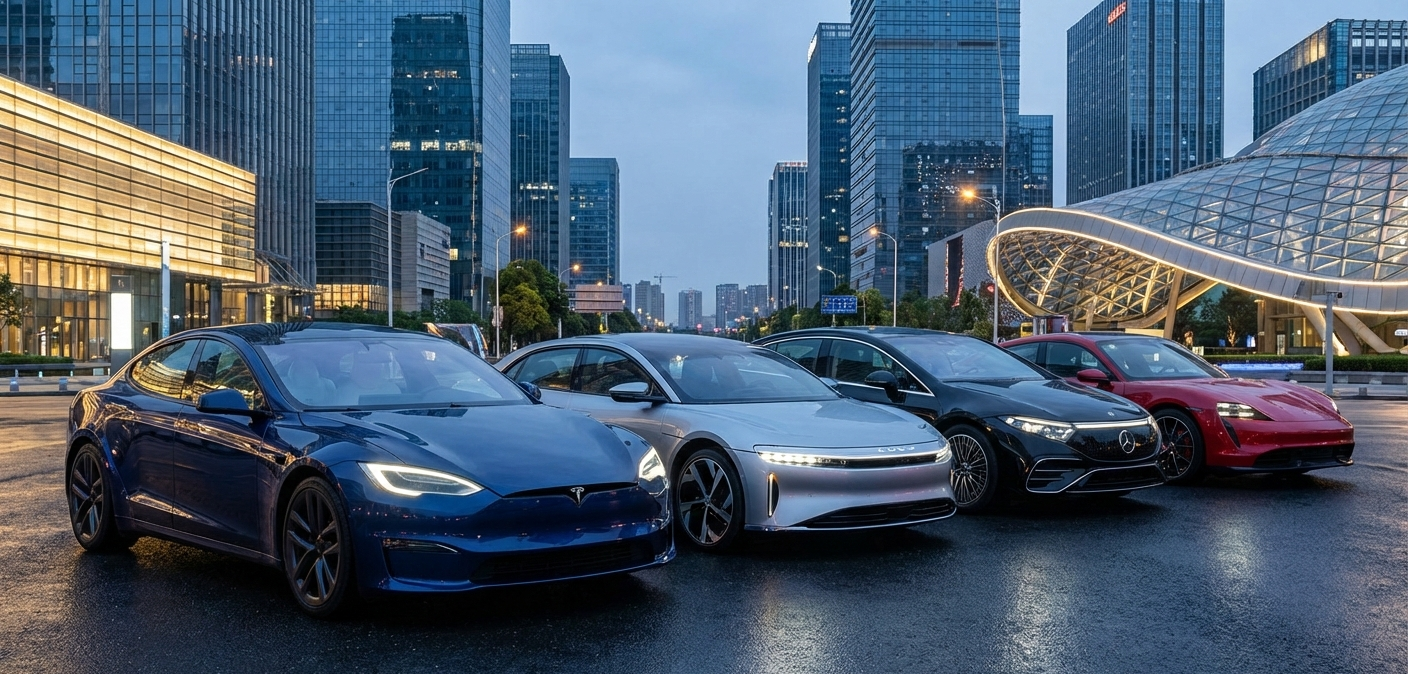
The transportation industry is undergoing a historic transformation. Electric vehicles (EVs) are no longer a niche innovation—they are redefining how we drive, manufacture, and think about cars. From Tesla to Rivian, Lucid, and global automakers, EVs are shaping a sustainable, high-tech future, impacting cities, energy grids, and consumer lifestyles.
The shift toward EVs is driven by environmental concerns, technological advances, and changing consumer expectations. In the United States and worldwide, governments are implementing policies to phase out internal combustion engines, while companies invest billions in EV research, manufacturing, and infrastructure.
This article explores the electric revolution, highlighting how EVs are reshaping transportation today and for the decades to come.
1. The Environmental Imperative: Why EVs Matter?
The biggest driver of the electric revolution is environmental sustainability:
-
Reduction of Greenhouse Gas Emissions: EVs produce zero tailpipe emissions, helping reduce air pollution in cities.
-
Climate Goals: Many countries, including the USA, aim to achieve net-zero emissions by 2050, and EV adoption is central to this strategy.
-
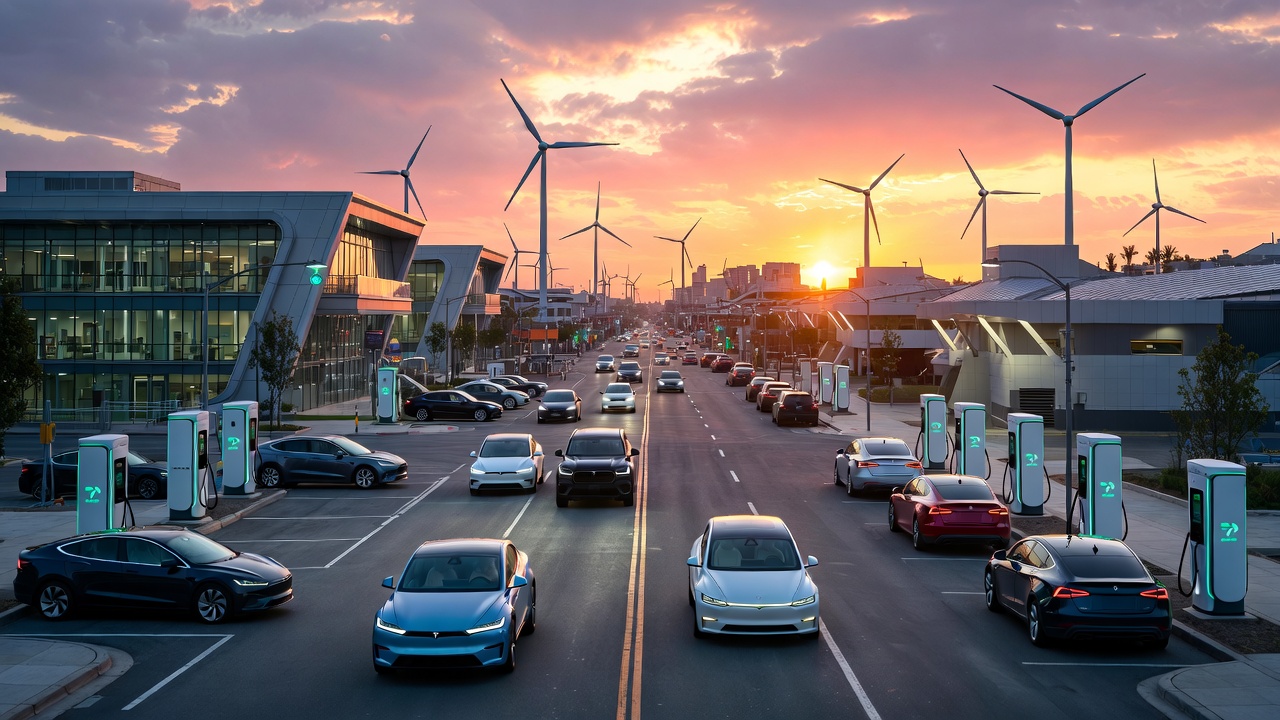
Cleaner Energy Integration: EVs can leverage renewable energy, such as solar and wind, making transportation truly green.
Impact: Switching from gas-powered vehicles to EVs can reduce a car’s lifetime carbon footprint by up to 60%, particularly when charged using clean energy.
2. Technological Innovations Driving EV Growth
EVs are at the forefront of automotive technology:
-
Battery Technology: Lithium-ion, solid-state, and next-generation batteries are extending range, reducing charging times, and lowering costs.
-
Regenerative Braking: Converts kinetic energy back into battery power, improving efficiency.
-
Software Integration: EVs are highly dependent on software, enabling updates, remote diagnostics, and enhanced user interfaces.
Example: Tesla’s over-the-air software updates have transformed how vehicles receive performance improvements without visiting a dealership.
3. Changing Consumer Behavior
Consumer acceptance of EVs is growing rapidly:
-
Range Anxiety Reduction: Improved batteries and charging networks make EVs practical for daily use.
-
Government Incentives: Federal tax credits and state rebates in the USA encourage adoption.
-
Sustainability Consciousness: Millennials and Gen Z prioritize environmental impact in their purchasing decisions.
Insight: A 2025 survey shows that over 45% of Americans consider an EV as their next vehicle, indicating a profound cultural shift.
4. Charging Infrastructure: Building the Backbone of EV Adoption
A reliable charging network is critical:
-
Home Charging: Level 2 chargers allow overnight charging at 20–40 miles/hour.
-
Public Charging Networks: Tesla Superchargers, Electrify America, and ChargePoint enable long-distance travel.
-
Fast-Charging Innovations: 350kW chargers can provide 80% charge in 20–25 minutes.
Impact: Expanding and standardizing charging networks is reducing “range anxiety,” making EVs practical for urban and intercity travel.
5. EVs and Urban Mobility
EVs are reshaping cities and transportation networks:
-
Quiet Streets: EVs are quieter than combustion vehicles, reducing noise pollution.
-
Smart City Integration: EVs connect with IoT, traffic systems, and energy grids to optimize efficiency.
-
Reduced Urban Pollution: Widespread adoption lowers harmful particulates, improving public health.
Case Study: Cities like Los Angeles and San Francisco are seeing cleaner air and quieter streets due to early EV adoption programs.
6. Economic Impacts of the EV Revolution
EVs are driving economic changes:
-
Automotive Industry Shift: Legacy automakers are investing heavily in EVs, creating new jobs in battery production and software.
-
Consumer Savings: Lower maintenance and fuel costs make EVs more cost-effective long-term.
-
Global Competitiveness: Countries leading in EV tech dominate the emerging automotive market.
Example: The U.S. EV market is projected to grow to $200 billion by 2030, reflecting both consumer demand and industrial investment.
7. EV Design: Futuristic Meets Functional
EVs are reshaping automotive design:
-
Aerodynamic Efficiency: Sleek, low-drag designs maximize range.
-
Flexible Interiors: Flat battery packs allow more cabin space and innovative layouts.
-
Sustainable Materials: Vegan leather, recycled plastics, and eco-friendly composites are becoming standard.
Insight: EVs are not just vehicles—they are lifestyle statements, blending sustainability, comfort, and aesthetics.
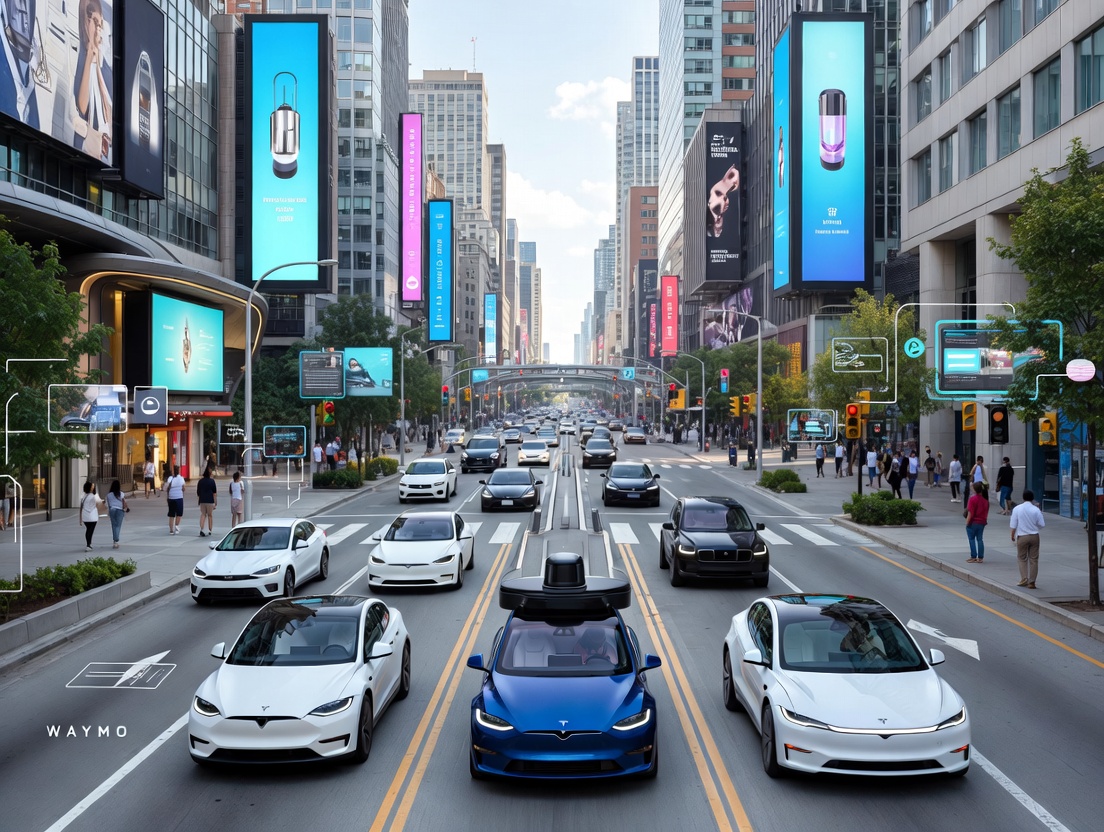
8. Autonomous Integration: AI and EVs
EVs are ideal platforms for autonomous driving technologies:
-
Electric powertrains support AI systems, sensors, and advanced computing hardware.
-
Features like Tesla Autopilot, GM Super Cruise, and Waymo demonstrate the synergy between electrification and autonomy.
-
Autonomous EV fleets could reduce accidents, congestion, and urban emissions.
Future Outlook: Fully autonomous EVs may dominate urban mobility by the late 2030s, transforming ride-hailing, logistics, and personal transportation.
9. Global Trends: How the World Is Adopting EVs
EV adoption is a global phenomenon:
-
China: Leads the world in EV production and adoption, with millions of EVs on the road.
-
Europe: Norway, Germany, and the Netherlands are early leaders, with strong incentives and charging networks.
-
USA: Rapid growth in Tesla, Rivian, and Ford EV sales, combined with infrastructure investments like the Bipartisan Infrastructure Law, is accelerating adoption.
Impact: Global collaboration and competition are driving rapid innovation in battery tech, range, and charging solutions.
10. Challenges Facing the EV Revolution
Despite progress, EVs face hurdles:
-
Battery Supply Chains: Lithium, cobalt, and nickel extraction has environmental and ethical implications.
-
High Upfront Costs: EVs still have higher purchase prices than ICE vehicles, though total cost of ownership is lower.
-
Infrastructure Gaps: Rural areas still lack widespread charging networks.
Solution: Innovations in solid-state batteries, fast charging, and recycling are addressing these issues.
11. EVs and the Future of Mobility
EVs are part of a broader transformation of transportation:
-
Shared Mobility: Electric ride-sharing fleets reduce urban congestion and emissions.
-
Electric Public Transit: Buses, trucks, and delivery vans are going electric to cut urban pollution.
-
Vehicle-to-Grid (V2G): EVs can feed energy back into the grid, helping stabilize renewable energy supply.
Insight: EVs are more than cars—they are energy assets and mobility solutions.
12. Consumer Considerations: Choosing Your EV
When buying an EV, consider:
-
Range: Average daily driving vs. maximum range per charge.
-
Charging Availability: Access to home and public charging stations.
-
Performance & Features: Acceleration, tech, and autonomy features.
-
Sustainability: Source of electricity, battery recyclability, and eco-friendly materials.
Tip: The “right EV” balances lifestyle needs, environmental impact, and total cost of ownership.
Driving Toward a Sustainable Future
The electric revolution is here, reshaping transportation, energy systems, and urban living. EVs are no longer experimental—they are practical, high-performing, and sustainable alternatives to internal combustion engines.
From environmental benefits to technological innovations, urban mobility improvements, and economic growth, EVs are driving a transformative era. As battery technology improves, charging infrastructure expands, and autonomous integration progresses, the future of transportation will be cleaner, smarter, and more connected than ever.
For drivers, investors, and cities, embracing EVs means participating in a global movement toward sustainability and innovation, ensuring that transportation not only meets the needs of today but also safeguards the planet for future generations.