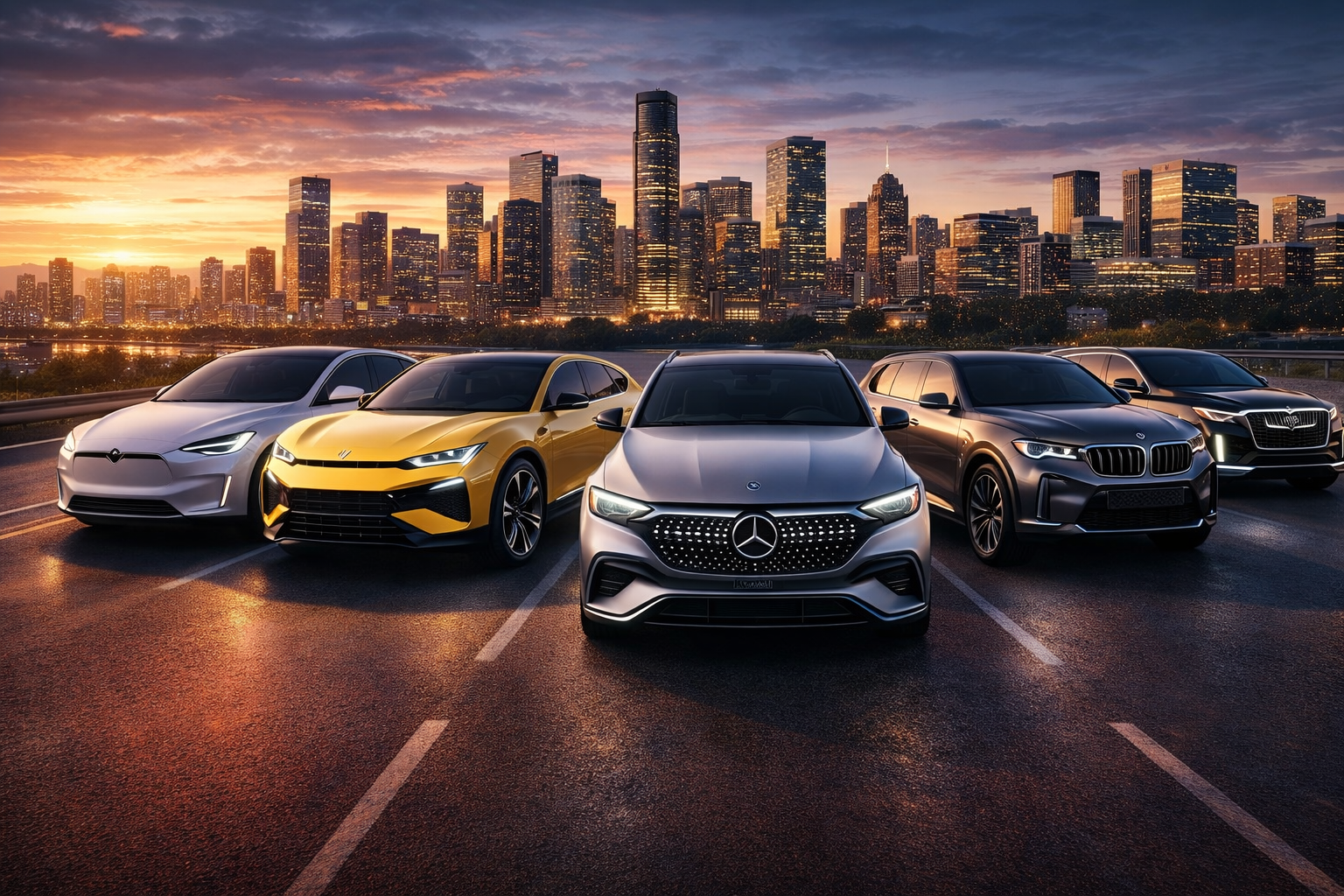
The concept of driving has entered a transformative phase. By 2026, the automotive industry—particularly the luxury car market in the United States—stands at the threshold of a paradigm shift that challenges the very role of the human driver. Advanced artificial intelligence, high-precision sensors, and sophisticated computing platforms have accelerated the adoption of Level 4 autonomous driving, redefining mobility for premium vehicle owners.
Luxury marques have historically served as pioneers of automotive innovation. Features such as adaptive cruise control, lane assistance, and semi-autonomous parking systems first appeared in high-end vehicles before becoming mainstream. In 2026, luxury brands once again lead the evolution—this time by offering near-full autonomy under defined conditions, where the vehicle can operate without human intervention.
This article explores how Level 4 autonomy is shaping the future of the driver in luxury cars across the United States. It examines technological foundations, brand strategies, regulatory readiness, consumer expectations, and how autonomy is reshaping luxury, comfort, safety, and ownership itself.
Understanding Level 4 Autonomy: A Technical Overview
Defining Level 4 Autonomous Driving
Autonomous driving is classified on a scale defined by the Society of Automotive Engineers (SAE), ranging from Level 0 (no automation) to Level 5 (full automation in all conditions). Level 4 autonomy represents a critical milestone.
At Level 4:
-
The vehicle can perform all driving tasks independently
-
Human intervention is not required within predefined conditions
-
The system can safely manage failures or unexpected events
-
The driver is not required to monitor the road continuously
For luxury cars in the USA, Level 4 autonomy is typically deployed in geo-fenced environments, such as highways, urban centers, or designated autonomous zones.
Why Luxury Brands Lead the Autonomy Revolution?
Technology as a Core Luxury Value
Luxury automotive brands differentiate themselves not solely through materials or performance but through technological leadership. The high cost of developing autonomous systems—ranging from sensor fusion to AI-based decision-making—positions luxury marques as the most capable adopters of Level 4 autonomy.
Key advantages luxury manufacturers possess include:
-
Larger research and development budgets
-
Access to advanced semiconductor technology
-
Early partnerships with AI and software firms
-
Customers willing to pay for cutting-edge innovation
In the American luxury car market, autonomy has become a defining symbol of modern prestige.
The Changing Role of the Driver in 2026
From Operator to Passenger
The introduction of Level 4 autonomy fundamentally alters the driver’s role. Instead of controlling the vehicle, occupants transition into active passengers, free to engage in work, communication, or relaxation.
This shift has profound implications:
-
Reduced driver fatigue
-
Enhanced productivity during travel
-
Increased accessibility for elderly and disabled individuals
-
New expectations of interior comfort and design
Luxury cars in the USA increasingly prioritize the experience inside the cabin rather than the act of driving itself.
Interior Transformation in Autonomous Luxury Cars
Cabin Design for a Driverless Future
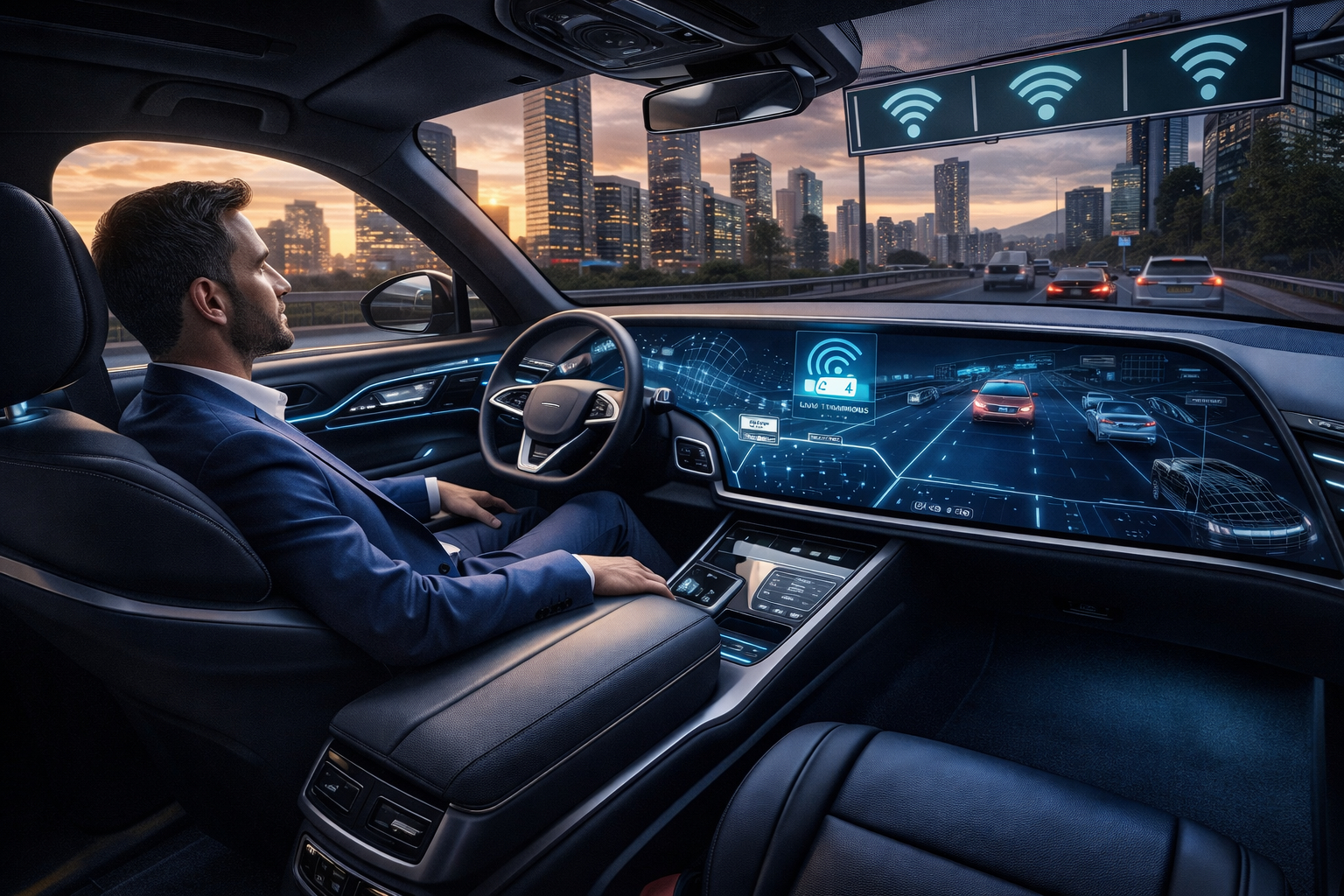
As Level 4 autonomy becomes operational, luxury vehicle interiors are evolving into mobile living spaces. Traditional dashboards, steering wheels, and driver-centric layouts are being reimagined.
Key interior innovations include:
-
Rotating or retractable steering wheels
-
Executive rear-seat configurations
-
Advanced ambient lighting systems
-
Panoramic digital displays
-
Enhanced sound insulation and climate control
Luxury marques are investing heavily in materials, ergonomics, and digital interfaces to ensure that autonomy enhances, rather than diminishes, the luxury experience.
Artificial Intelligence: The Brain Behind Level 4 Autonomy
AI-Driven Decision Making
At the core of Level 4 autonomous luxury vehicles lies artificial intelligence capable of interpreting complex traffic scenarios in real time. These systems rely on deep learning models trained on millions of driving hours.
AI responsibilities include:
-
Object detection and classification
-
Predictive behavior modeling of other road users
-
Route optimization and navigation
-
Ethical decision frameworks for safety scenarios
Luxury brands in the USA integrate proprietary AI platforms to maintain control over performance, security, and brand identity.
Sensor Fusion and Hardware Excellence
The Technology Stack Enabling Autonomy
Level 4 autonomy depends on a sophisticated sensor ecosystem. Luxury vehicles combine multiple technologies to ensure redundancy and reliability.
Core components include:
-
LiDAR systems for 3D mapping
-
High-resolution radar for distance measurement
-
Multiple camera arrays for visual perception
-
Ultrasonic sensors for close-range detection
-
High-performance onboard processors
This hardware integration ensures accurate environmental awareness, even in challenging weather or traffic conditions common across the United States.
Safety and Trust: The Foundation of Autonomous Luxury
Redefining Vehicle Safety Standards
Safety remains the most critical concern for autonomous vehicles. Luxury brands emphasize fail-safe systems, redundancy, and predictive risk management to gain consumer trust.
Safety enhancements include:
-
Dual computing architectures
-
Backup power and steering systems
-
Continuous system diagnostics
-
Remote monitoring and assistance
-
Secure over-the-air software updates
In the luxury cars segment in the USA, autonomy is marketed not as a replacement for safety but as its ultimate evolution.
Regulatory Landscape in the United States
Federal and State Readiness for Level 4 Vehicles
The deployment of Level 4 autonomous luxury vehicles in the USA depends heavily on regulatory approval. By 2026, several states have established frameworks supporting autonomous operation under controlled conditions.
Key regulatory factors include:
-
State-level autonomous vehicle legislation
-
Federal safety compliance standards
-
Liability and insurance frameworks
-
Data privacy and cybersecurity laws
Luxury manufacturers actively collaborate with policymakers to ensure legal clarity and public acceptance.
Ethical Considerations in Autonomous Luxury Driving
Responsibility Without a Driver
Level 4 autonomy raises ethical questions regarding responsibility, decision-making, and accountability. Luxury brands invest in transparent AI governance to address these concerns.
Ethical priorities include:
-
Passenger safety above all variables
-
Predictable and explainable AI behavior
-
Data protection and user consent
-
Fair treatment of all road users
These considerations are critical to maintaining trust among high-net-worth consumers in the American market.
Connectivity and Smart Infrastructure Integration
Luxury Cars as Nodes in Intelligent Cities
Autonomous luxury vehicles in 2026 are deeply connected to smart infrastructure, enabling real-time communication with traffic systems, charging networks, and urban services.
Connectivity features include:
-
Vehicle-to-infrastructure communication
-
Cloud-based navigation optimization
-
Smart parking and charging integration
-
Predictive maintenance alerts
In the USA, cities investing in smart mobility infrastructure are accelerating the adoption of Level 4 luxury vehicles.
Electrification and Autonomy: A Strategic Alliance
Sustainable Luxury Mobility
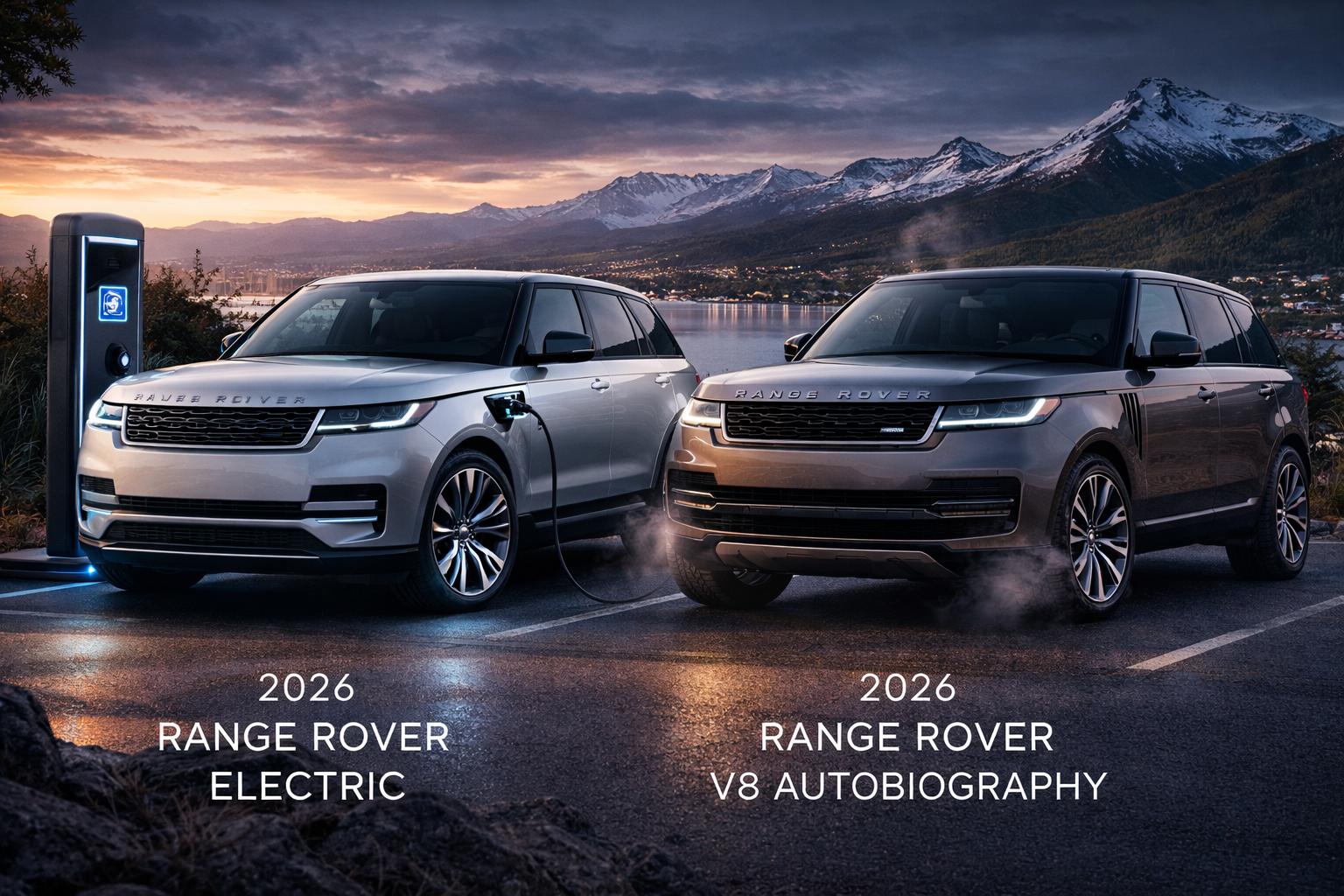
Level 4 autonomy aligns closely with electrification strategies. Most autonomous luxury vehicles are either fully electric or plug-in hybrids.
Benefits of this integration include:
-
Reduced emissions
-
Quieter cabin environments
-
Lower operating costs
-
Compatibility with smart energy grids
Luxury car buyers in the USA increasingly expect sustainability alongside innovation, making electrified autonomy a natural progression.
Brand Identity in the Autonomous Era
Preserving Heritage While Embracing Change
One of the greatest challenges luxury marques face is maintaining brand identity as driving becomes optional. Each brand approaches Level 4 autonomy in a way that reflects its heritage.
Strategies include:
-
Custom driving modes preserving brand character
-
Distinctive interior aesthetics
-
Proprietary user interfaces
-
Personalized autonomous behavior settings
Luxury brands understand that autonomy must enhance, not dilute, their unique identity.
Consumer Expectations in the Luxury Cars USA Market
What Buyers Demand in 2026?
American luxury car buyers are highly informed and discerning. Their expectations for Level 4 autonomy extend beyond novelty.
Key expectations include:
-
Absolute reliability
-
Seamless transition between manual and autonomous modes
-
Intuitive user control
-
Premium after-sales support
-
Long-term software upgrades
Manufacturers that meet these expectations strengthen brand loyalty in a competitive market.
Economic Impact and Ownership Models
Autonomy and the Cost of Luxury Vehicles
Level 4 autonomy influences pricing, ownership models, and resale value. Luxury brands explore new approaches to ownership, including subscription services and software-based feature upgrades.
Economic considerations include:
-
Higher initial vehicle cost
-
Software licensing models
-
Reduced accident-related expenses
-
Strong resale demand for autonomous features
For luxury car owners in the USA, autonomy increasingly represents both a lifestyle upgrade and a financial investment.
Challenges Slowing Mass Adoption
Technical and Social Barriers
Despite progress, Level 4 autonomy faces challenges that limit widespread deployment.
Key obstacles include:
-
Infrastructure variability across states
-
Public skepticism toward AI decision-making
-
Cybersecurity risks
-
Complex edge-case driving scenarios
Luxury brands mitigate these challenges through gradual rollout strategies and controlled deployment environments.
The Road to Level 5 and Beyond
What Comes After Level 4?
While Level 5 autonomy remains a long-term goal, Level 4 represents a stable and practical solution for the foreseeable future. Luxury marques continue to refine systems while gathering real-world data.
Future developments may include:
-
Expanded autonomous zones
-
Increased personalization through AI learning
-
Deeper integration with smart homes and digital ecosystems
-
Further reduction of manual driving dependency
The journey toward full autonomy continues, guided by luxury innovation.
A New Definition of Driving Luxury
By 2026, Level 4 autonomy has redefined what it means to drive—or not drive—a luxury car in the United States. The driver is no longer the sole operator but a participant in a sophisticated mobility experience shaped by artificial intelligence, design excellence, and advanced safety systems.
Luxury marques have positioned themselves at the forefront of this transformation by leveraging technology, heritage, and consumer trust. Autonomy in the luxury segment is not about replacing driving pleasure; it is about expanding choice, comfort, and control.
As Level 4 autonomous systems mature, the future of the driver becomes one of freedom rather than responsibility. In the evolving landscape of luxury cars in the USA, autonomy stands as the next defining chapter—one where innovation and elegance move forward together.