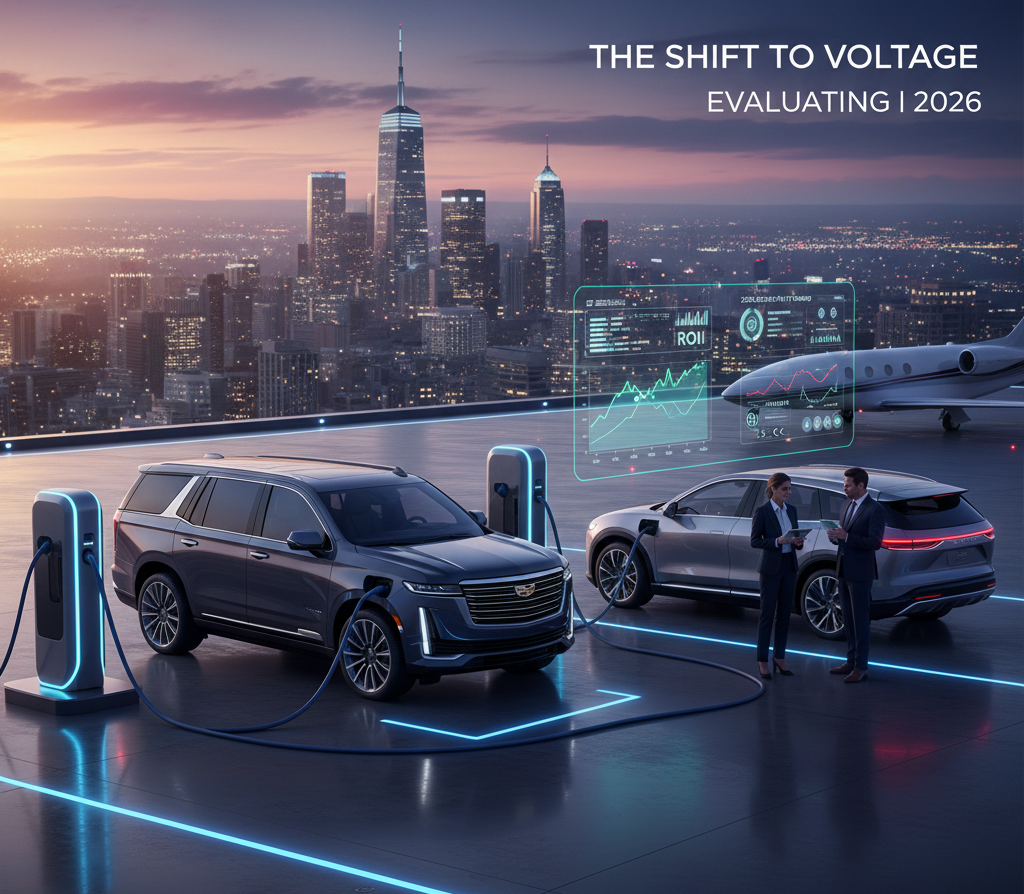
The American luxury automotive landscape in 2026 has reached a definitive tipping point. The “Shift to Voltage” is no longer a speculative trend discussed in boardrooms; it is a lived reality on the roads of affluent enclaves from the Hamptons to Beverly Hills. As the North American Charging Standard (NACS) becomes the universal language of electrification and battery energy densities reach new milestones, the ultra-luxury electric SUV has emerged as the primary vehicle of choice for high-net-worth individuals (HNWIs) and corporate executives.
However, for the discerning buyer, the transition to an electric vehicle (EV) is rarely just about environmental stewardship. It is a calculated move toward a superior driving experience, technological sovereignty, and, most importantly, a strategic assessment of Return on Investment (ROI). In 2026, evaluating the ROI of an ultra-luxury electric SUV requires a multidimensional approach that encompasses tax equity, total cost of ownership (TCO), and long-term asset value retention.
The New Architecture of Value: Defining the 2026 Luxury EV
In 2026, the value proposition of a luxury SUV has been fundamentally rewritten. We are now in the era of the Software-Defined Vehicle (SDV). A vehicle’s worth is increasingly tied to its silicon—its ability to receive over-the-air (OTA) updates that improve performance, range, and autonomous capabilities long after the initial purchase.
1. Performance as a Constant Asset
Unlike internal combustion engine (ICE) vehicles, which experience mechanical wear that can degrade power delivery over time, the electric motors in models like the 2026 Lucid Gravity or the Cadillac Escalade IQ provide consistent, instantaneous torque. This “mechanical purity” reduces the risk of expensive powertrain failures, a significant factor in maintaining the vehicle’s functional ROI.
2. The Time-Wealth Factor
For the 2026 executive, time is the ultimate luxury. The integration of Ultra-Fast Charging (350 kW+) means that the latest flagship SUVs can recover 80% of their range in roughly 15 to 20 minutes. When combined with the widespread 2026 NACS infrastructure, the “range anxiety” of the early 2020s has been replaced by “time efficiency,” allowing the vehicle to serve as a seamless extension of the owner’s productive day.
The Fiscal Bedrock: Section 179 and Tax Strategy
Perhaps the most compelling argument for the ROI of ultra-luxury electric SUVs in 2026 lies within the U.S. Tax Code. Specifically, Section 179 remains a cornerstone of automotive financial planning for business owners.
Leveraging the 6,000-Pound Threshold
The majority of ultra-luxury electric SUVs—due to the inherent weight of high-capacity battery packs—naturally exceed the 6,000-pound Gross Vehicle Weight Rating (GVWR). This classification is the key to unlocking massive first-year tax deductions.
-
2026 Deduction Limits: Under current 2026 regulations, the maximum Section 179 deduction has been adjusted for inflation to approximately $2,560,000 for total business equipment.
-
Immediate Expensing: A business owner purchasing a qualifying heavy SUV for business use can often write off a significant portion, if not the entirety, of the purchase price in the first year.
-
Cash Flow Optimization: By accelerating depreciation, the owner effectively reduces their taxable income, providing an immediate “tax-back” ROI that can offset a large portion of the vehicle’s MSRP.
Total Cost of Ownership (TCO): The Quiet Revolution
While the upfront MSRP of an ultra-luxury electric SUV (often ranging from $130,000 to $250,000) remains higher than its ICE counterparts, the Total Cost of Ownership over a 3-to-5-year cycle tells a different story.
1. Maintenance Savings: The Data-Driven Advantage
Data from 2026 fleet managers suggests that maintenance costs for luxury EVs are approximately 11% to 15% lower than ICE vehicles. The absence of oil changes, spark plug replacements, and complex transmission servicing eliminates hundreds of points of potential failure. Regenerative braking also significantly extends the life of brake pads and rotors, even on heavy full-size SUVs.
2. Energy Arbitrage
In 2026, the “fuel” cost for an EV is highly optimizable.
-
Off-Peak Charging: Owners utilizing smart home energy management systems can charge their vehicles during overnight “super off-peak” hours, reducing energy costs by up to 30% compared to daytime rates.
-
V2G Revenue Streams: Emerging Vehicle-to-Grid (V2G) technology allows the 2026 luxury SUV to act as a mobile battery storage unit. During peak demand, owners can sell stored energy back to the grid, creating a micro-revenue stream that contributes to the vehicle’s operating ROI.
Resale Value and Depreciation: The 2026 Reality
Historically, luxury cars have been notorious for steep depreciation. In 2026, the market is seeing a “Bifurcation of Value.”
The “Legacy” Depreciation Trap
Internal combustion luxury vehicles are beginning to see accelerated depreciation as urban centers implement stricter emissions zones and the secondary market shifts toward electric. Buying a high-displacement V12 SUV in 2026 is increasingly viewed as a “heritage play” rather than a sound financial investment.
EV Value Retention Factors
Ultra-luxury EVs are holding their value better than early-generation electric cars for three main reasons:
-
Battery Longevity: 2026 battery chemistries are proving to be remarkably durable, with many retaining over 90% capacity after 100,000 miles.
-
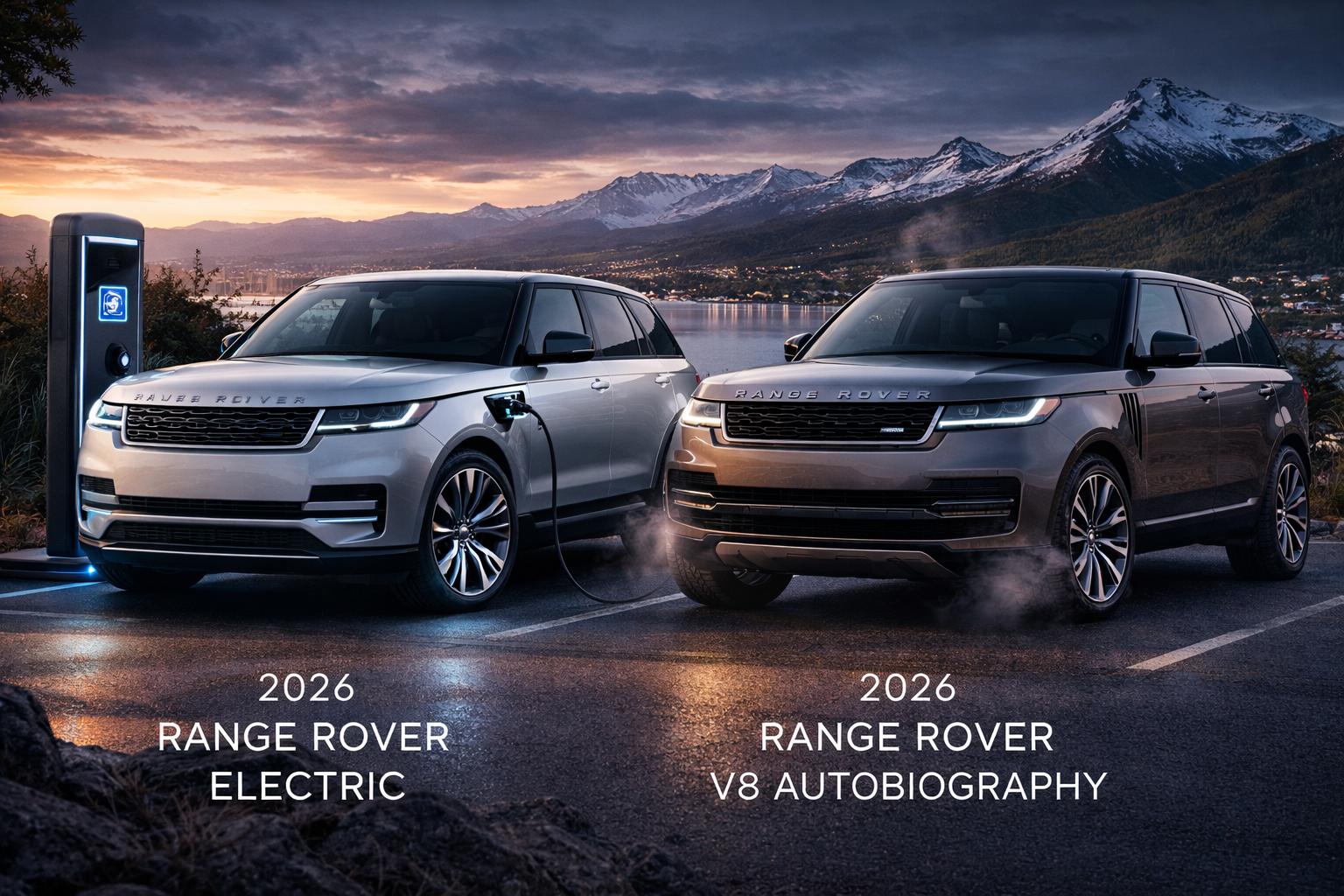
Scarcity of Bespoke Models: Limited production runs for flagship models like the Rolls-Royce Spectre or the Range Rover Electric ensure high demand in the pre-owned market.
-
CPO Programs: Manufacturers have matured their Certified Pre-Owned (CPO) programs for EVs, offering extended battery warranties that give second and third owners the confidence to pay a premium for used assets.
The 2026 Luxury EV Portfolio: Key Models and ROI Benchmarks
To understand the ROI, one must examine the diverse segments of the 2026 ultra-luxury market. Each model offers a unique balance of prestige and fiscal logic.
| Model | Estimated 2026 MSRP | Range (EPA Est.) | Standout ROI Feature |
| Lucid Gravity | $95,000 – $130,000 | 440+ miles | Best-in-class efficiency and charging speed |
| Cadillac Escalade IQ | $130,000 – $175,000 | 450+ miles | Massive Section 179 eligibility due to weight |
| Range Rover Electric | $200,000+ | 350+ miles | Extreme brand equity and resale strength |
| Mercedes EQS SUV | $105,000 – $140,000 | 330+ miles | High level of CPO support and dealer network |
| Rivian R1S (Gen 2) | $76,000 – $110,000 | 410+ miles | Adventure utility with strong software residual value |
Strategic Liability: The Umbrella Integration
For HNWIs, auto liability is the most common “litigation trap.” A single accident involving a high-profile individual can trigger multi-million dollar lawsuits targeting their entire estate.
1. The $10M Minimum Threshold
In 2026, wealth advisors recommend a minimum of $10 million in Excess Liability (Umbrella) coverage. This policy sits above the primary auto liability and provides a legal defense fund and settlement capital that standard policies cannot match.
2. Global Portability
The 2026 “Global Nomad” executive often has vehicles in multiple jurisdictions. High-asset policies offer Worldwide Portability, ensuring that whether the client is driving a rental in Monaco or their personal fleet in Miami, their liability shield remains intact.
Insurance and Risk Management in 2026
The final component of the ROI equation is protection. High-asset auto insurance has evolved to meet the needs of the 2026 EV owner.
-
Agreed Value Coverage: To protect the significant capital investment, savvy owners opt for “Agreed Value” policies rather than “Actual Cash Value.” This ensures that in the event of a total loss, the owner receives a predetermined amount that reflects the vehicle’s true market worth, protecting them from the “gap” created by early-term depreciation.
-
Cyber-Physical Protection: As these vehicles become more software-dependent, specialized insurance riders now cover digital theft and software-related liability, safeguarding the owner against modern digital risks.
The Future of the Fleet: Beyond 2026
As we look beyond 2026, the ROI of luxury electric SUVs will likely be bolstered by Solid-State Battery technology. While currently in limited testing, vehicles equipped with these batteries will command the highest premiums in the 2028-2030 market. Today’s strategic purchase of a high-end EV serves as the bridge to this next generation of automotive wealth.
The Role of the Family Office
Family offices are increasingly treating luxury fleets not as expenses, but as a specialized asset class. By managing a rotation of luxury EVs, the office can maximize tax benefits every three years, ensuring the principals always have access to the latest security and autonomous tech while minimizing the tax burden.
Final Expert Recommendation: The 2026 Audit Checklist
Before committing to an ultra-luxury electric SUV purchase, ensure your fiscal team has vetted the following:
-
GVWR Certification: Does the vehicle’s weight officially exceed 6,000 lbs for Section 179?
-
NACS Compatibility: Does the vehicle feature native NACS ports for maximum infrastructure access?
-
Software Lifespan: What is the manufacturer’s guaranteed period for OTA performance updates?
-
Agreed Value Insurance: Is your coverage amount locked in at purchase price to negate early depreciation?
-
V2G Capability: Is the vehicle hardware-ready to act as a home backup or grid-storage asset?
The Strategic Imperative
In an era of $150,000 SUVs and $3,000 sensor-laden bumpers, insurance and purchase strategy are no longer commodities; they are vital components of asset management. By shifting the mindset from “luxury spend” to “strategic investment,” luxury fleet owners can ensure that their transition to electric is as profitable as it is prestigious. The “Shift to Voltage” is not just a change in fuel; it is a change in how we perceive automotive value. In the 2026 landscape of opulence, the most valuable vehicle is the one that offers the highest technological longevity and the most strategic financial return.