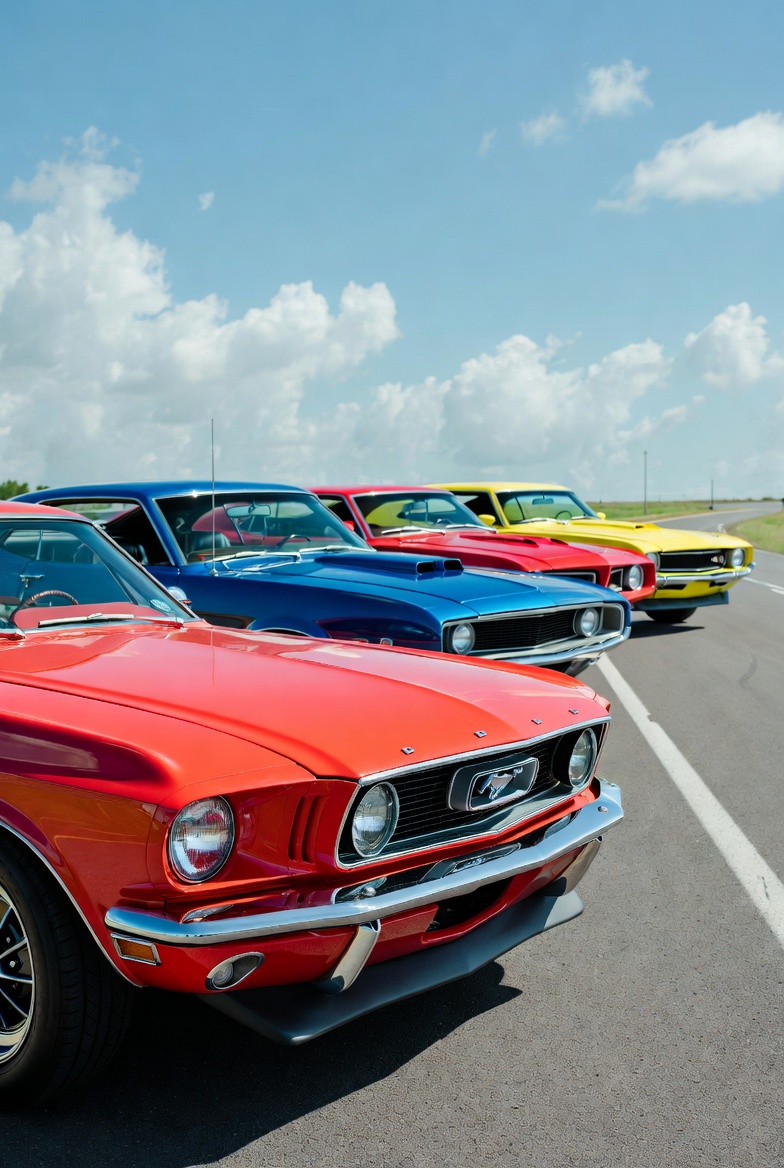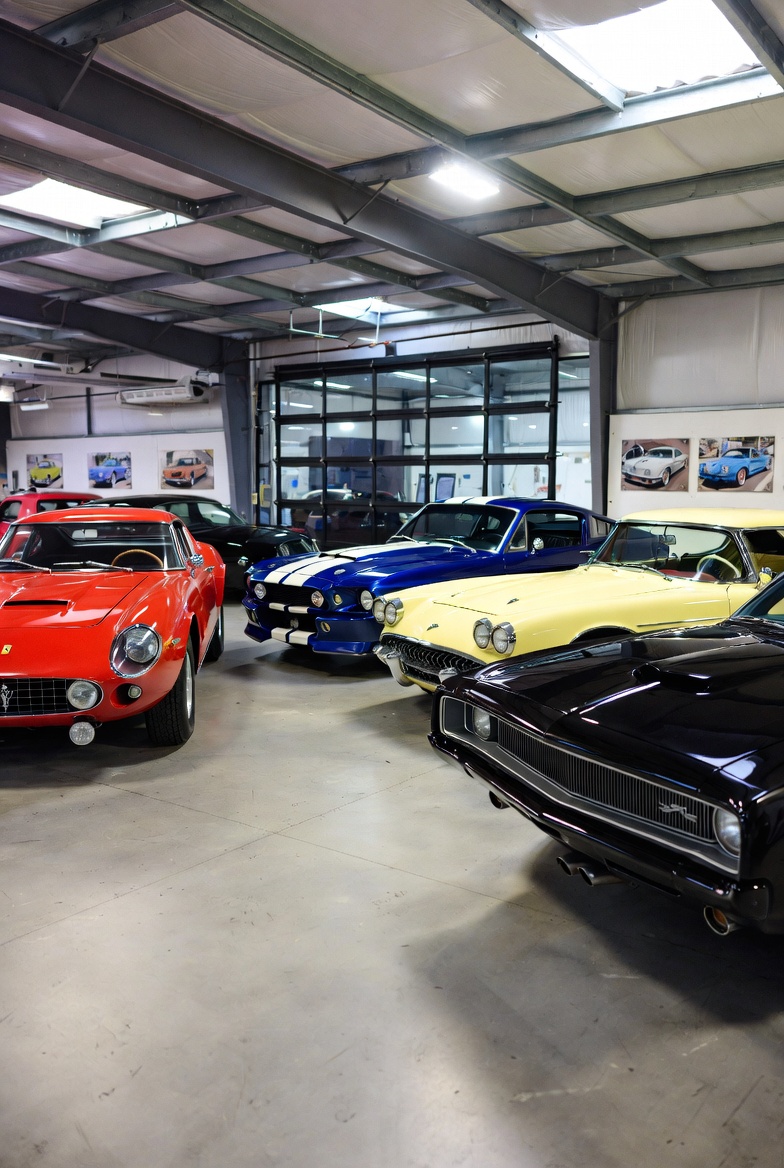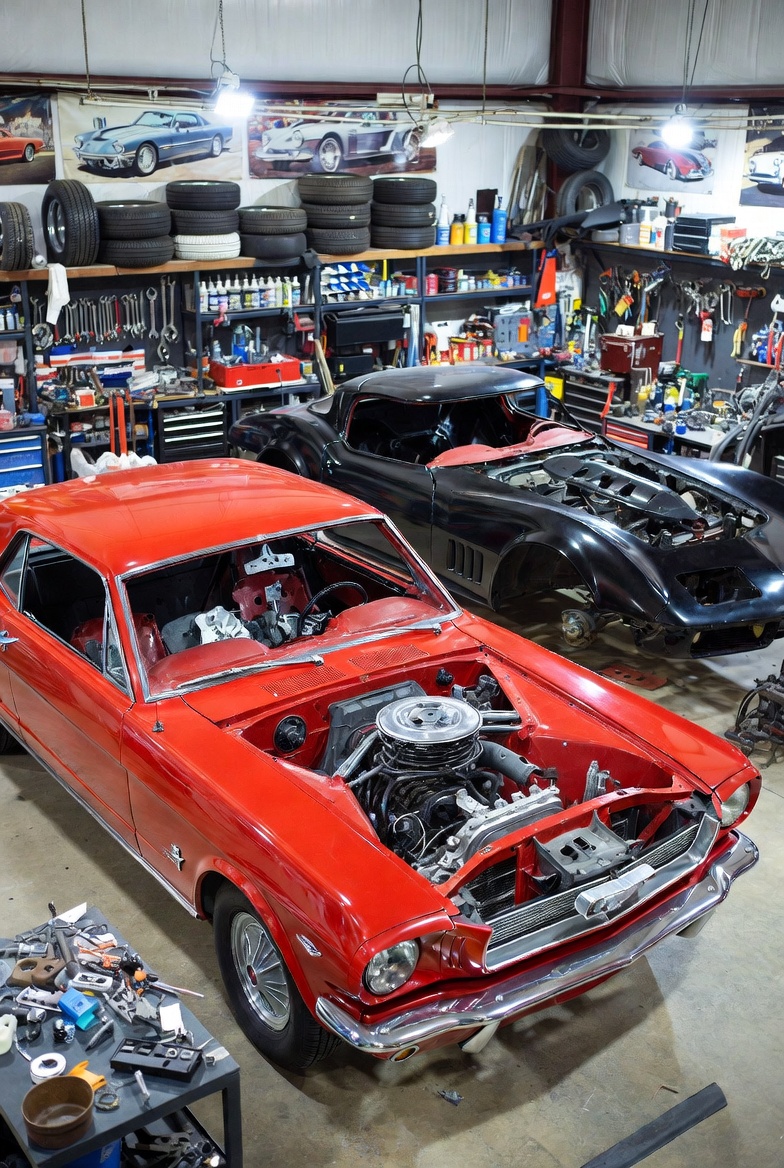
Owning a vintage car is a passion that blends history, aesthetics, and engineering. Whether it’s a 1965 Ford Mustang, a Chevrolet Corvette C1, or a Porsche 911, keeping a classic car in pristine condition requires careful attention, expertise, and dedication.
Restoring and maintaining vintage cars is more than just mechanical work—it’s about preserving history and enhancing the vehicle’s value and appeal. Collectors and enthusiasts in the USA take restoration seriously, ensuring their cars can be driven, displayed, or auctioned for maximum enjoyment and investment.
This guide provides top tips for restoring and maintaining vintage cars, covering mechanical care, cosmetic restoration, and ongoing maintenance.
1. Start with a Thorough Inspection
Before restoring any vintage car:
-
Check the Frame and Chassis: Look for rust, cracks, or structural damage.
-
Examine the Engine: Assess wear, leaks, or outdated components.
-
Inspect Interior and Exterior: Note paint condition, upholstery, chrome, and trim.
-
Document Everything: Take photos and notes to track progress and verify originality.
Tip: Use a checklist to ensure no detail is overlooked. This forms the foundation for a successful restoration project.
2. Decide Between Restoration vs. Preservation
There are two main approaches:
-
Full Restoration: Bringing the car back to “factory-new” condition, including bodywork, engine rebuild, interior, and paint.
-
Preservation / “Patina Care”: Maintaining the car’s originality, keeping some wear and age marks while ensuring functionality.
Considerations:
-
Full restorations increase market value but may reduce originality.
-
Preservation appeals to collectors who value authenticity and history.
Example: A 1967 Shelby GT500 may fetch higher value if fully restored, whereas a 1955 Porsche 356 might retain value better in original condition.
3. Engine and Mechanical Systems
Restoring the engine and mechanical systems is critical:
-
Rebuild or Refurbish: Replace worn parts, gaskets, and seals. Ensure the engine runs smoothly.
-
Upgrade Wisely: Consider modern alternatives like electronic ignition or fuel injection if necessary, but retain classic appearance.
-
Transmission and Drivetrain: Check for wear in gearboxes, driveshafts, and axles. Replace fluids and worn components.
Tip: Work with specialized vintage car mechanics who understand historical engine designs.
4. Electrical Systems and Wiring
Vintage cars often have outdated electrical systems:
-
Inspect wiring for fraying, corrosion, and outdated insulation.
-
Replace old fuses, connectors, and switches.
-
Upgrade lights and gauges subtly for safety without altering original aesthetics.
Tip: Document the original wiring diagram before modifications to maintain authenticity.
5. Bodywork and Paint Restoration
A car’s exterior is often its most visible aspect:
-
Rust Removal: Sandblast or chemically treat rust spots. Replace panels if necessary.
-
Dent Repair: Use traditional techniques to retain original lines.
-
Painting: Match original color codes for authenticity. Consider modern paint for durability while keeping vintage look.
-
Chrome and Trim: Re-chrome bumpers, moldings, and badges. Preserve original trim where possible.
Tip: High-quality paint and chrome restoration significantly increase aesthetic appeal and resale value.
6. Interior Restoration
The interior contributes to both comfort and value:
-
Upholstery: Replace or repair leather, vinyl, and cloth to match original patterns and materials.
-
Dash and Instruments: Restore gauges, knobs, and switches. Avoid modern replacements unless subtle.
-
Carpeting and Headliners: Replace worn fabric with accurate materials.
Tip: Original or period-correct interiors attract serious collectors and enhance market value.
7. Suspension and Braking Systems
Safety is paramount even for vintage cars:
-
Inspect suspension components for wear, including shocks, bushings, and springs.
-
Upgrade brakes where necessary (disc brakes preferred if not original, but maintain aesthetic authenticity).
-
Check alignment and steering responsiveness.
Tip: Functional and safe suspension increases drivability without compromising classic feel.
8. Tires and Wheels
The right tires complete a car’s performance and look:
-
Use period-correct tires for authentic appearance.
-
Modern tires can improve safety but choose subtle designs to retain vintage aesthetics.
-
Restore or replace wheels and rims, ensuring balance and proper fit.
Tip: Classic wheels can often be refinished instead of replaced to retain originality.
9. Storage and Environmental Protection
Proper storage is essential for long-term maintenance:
-
Keep the car in a climate-controlled garage to prevent rust and deterioration.
-
Use breathable car covers to protect paint without trapping moisture.
-
Avoid long-term exposure to direct sunlight, humidity, or extreme temperatures.
Tip: Storage conditions can make or break a car’s longevity and value.
10. Regular Maintenance and Driving
Restoration is only part of the journey; regular care keeps vintage cars in peak condition:
-
Fluids: Regularly change oil, coolant, brake fluid, and transmission fluids.
-
Battery Care: Use battery tenders or trickle chargers to maintain charge.
-
Drive Occasionally: Short drives prevent seals and gaskets from drying out and keep mechanical systems functioning.
-
Inspection Schedule: Routine inspections prevent minor issues from becoming costly repairs.
Tip: Driving a vintage car carefully increases enjoyment while maintaining mechanical health.
11. Finding Authentic Parts
Authenticity is crucial for value and aesthetics:
-
Source OEM parts from reputable suppliers or vintage car networks.
-
Consider refurbishing original parts instead of replacing.
-
Attend swap meets, auctions, and car clubs to find rare components.
Tip: Authentic parts preserve historical integrity and attract serious collectors.
12. Documentation and Provenance
Maintaining documentation adds value:
-
Keep service records, restoration notes, and receipts.
-
Include historical documents such as original purchase records, manuals, or advertisements.
-
Document every restoration step with photos and notes.
Tip: Complete documentation can significantly increase a car’s market value and collector appeal.
13. Joining Car Clubs and Communities
Vintage car communities provide:
-
Access to expert advice and restoration tips
-
Networking for parts, tools, and rare vehicles
-
Opportunities for exhibitions, shows, and concours events
Tip: Being part of the community enhances both knowledge and enjoyment of vintage car ownership.
14. Hiring Professionals vs. DIY
While DIY can be rewarding, some restoration tasks require professionals:
-
Engine rebuilding, bodywork, and paint often require specialized equipment
-
Electrical rewiring and fabrication should be handled by experts
-
Cosmetic restoration can benefit from professional craftsmanship
Tip: Invest in professionals for critical tasks while handling simpler tasks yourself to balance cost, quality, and learning.
15. Preservation of Value Over Time
Restored and well-maintained cars are not only beautiful—they are investments:
-
Rare or fully restored models often appreciate over time
-
Maintaining originality and documentation ensures higher resale value
-
Participation in car shows increases visibility and prestige
Tip: Treat restoration as a long-term investment, not just a hobby.
The Joy of Caring for Vintage Cars
Restoring and maintaining a vintage car is both an art and a science. It requires attention to detail, patience, and passion. From mechanical restoration to paintwork, interior, and documentation, every step ensures the vehicle remains a treasured piece of automotive history.
For enthusiasts in the USA, vintage car care is about preserving legacy, enjoying driving, and enhancing value. Whether displayed at a car show, driven on scenic highways, or stored as a collectible, a well-maintained vintage car represents history, craftsmanship, and the thrill of classic automotive design.
By following these expert tips, collectors and hobbyists can ensure their classic cars remain pristine, valuable, and admired for generations.